2026 wedding season · costs included
Wedding ideas with the prices and the problems attached
69 ideas and 10 set lists. Every one carries an indicative cost and — the part nobody else publishes — the specific way it goes wrong. A champagne gun looks great; most venues will not permit one indoors.
- ideas
- 69 ideas
- with a cost range
- 56 with a cost range
- set lists
- 10 set lists
- categories
- 6 categories
Food as theatre
Live and roaming stations have replaced the buffet as the thing guests remember. What is actually current in 2026, what it costs, and which ones fail at scale.
-
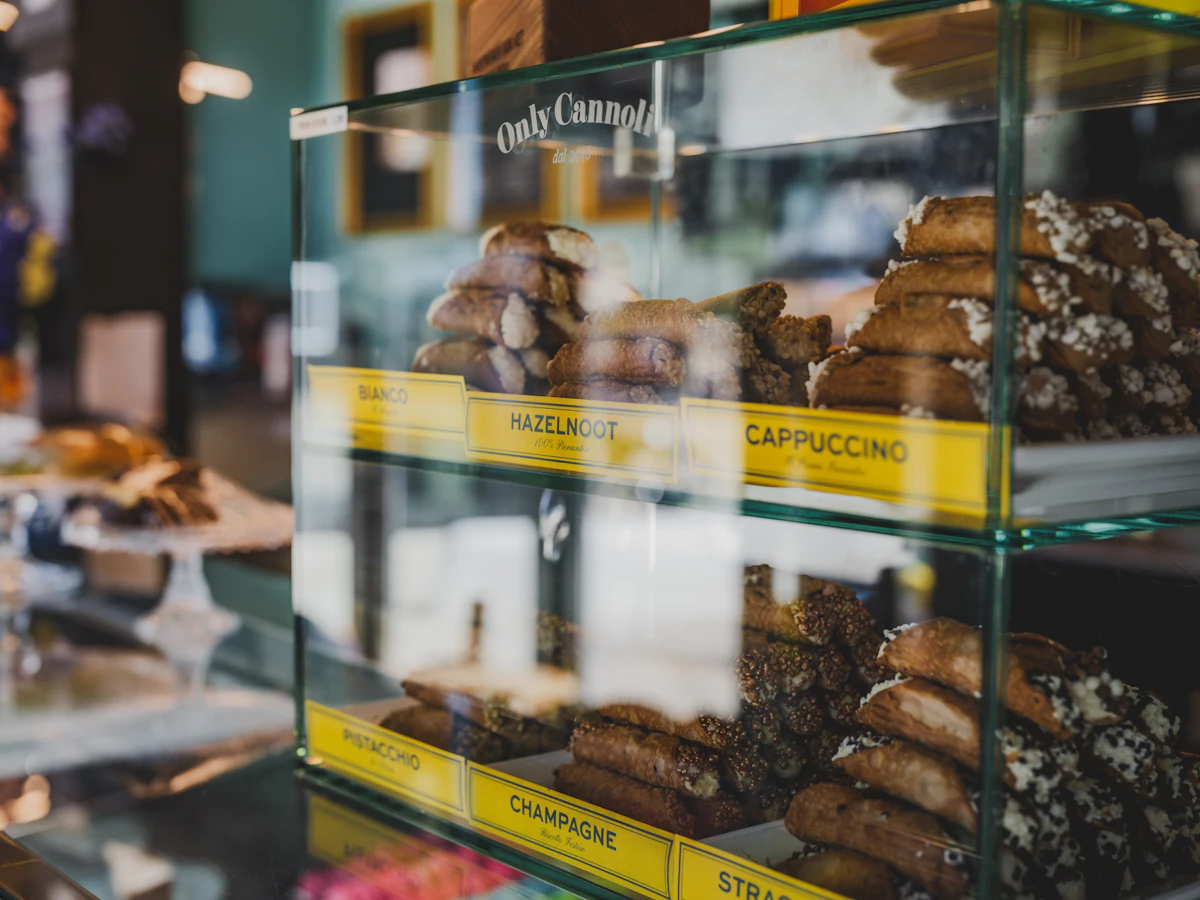 The walking cannoli station Dessert that comes to the guest instead of the guest queueing for dessert. ₹180–320 per guest
 -
 Champagne guns and champagne walls The loudest thirty seconds of the reception, and the one most likely to be refused by the venue. ₹15,000–40,000 for the wall setup, plus the wine
 -
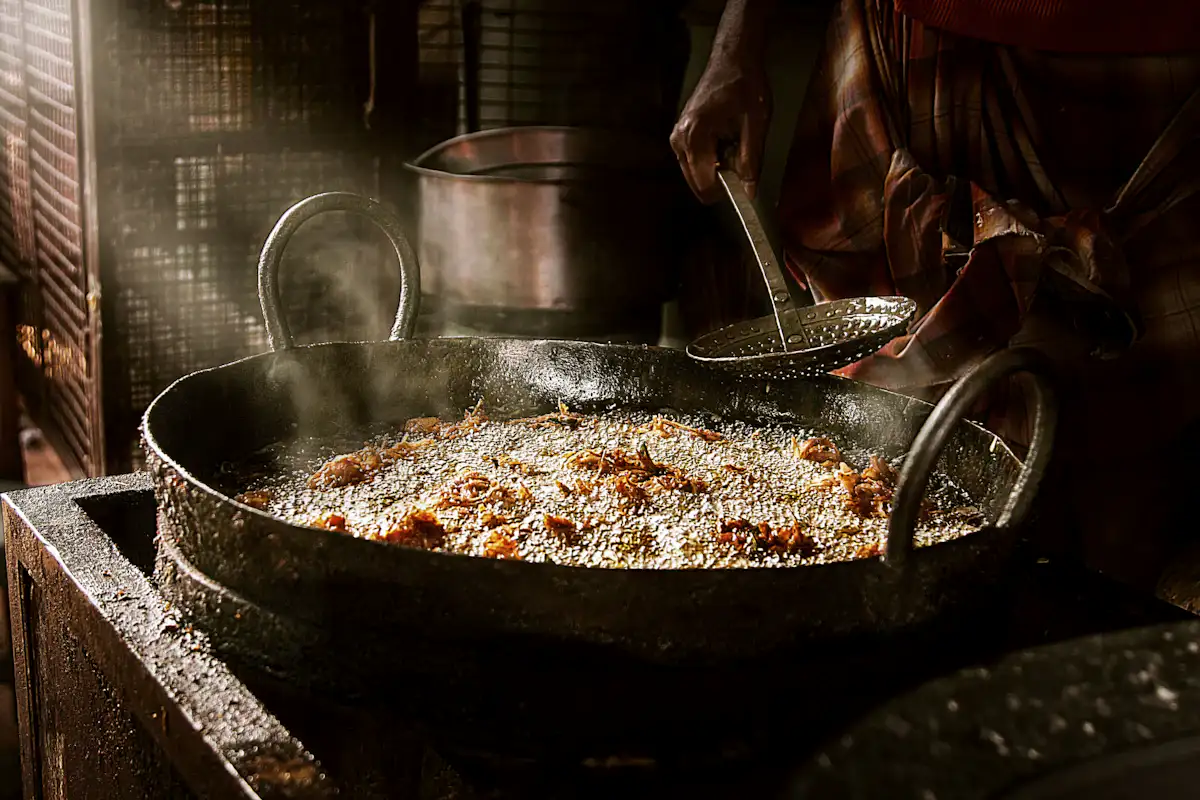 The live jalebi and fafda counter The one live counter that is never empty at a Gujarati wedding. ₹90–160 per guest
 -
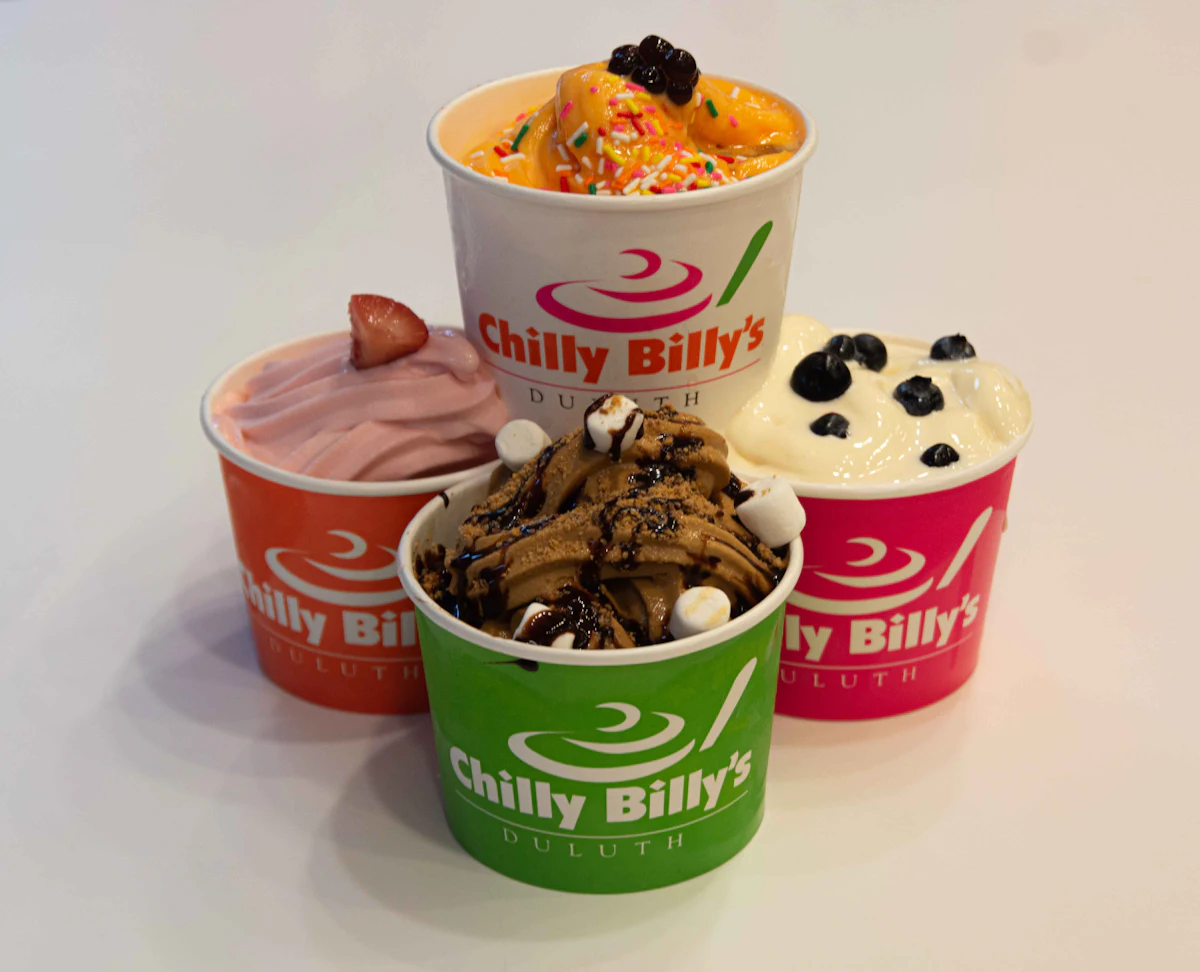 Liquid nitrogen ice cream Made in front of the guest in ninety seconds, with the fog that everybody films. ₹200–350 per guest
 -
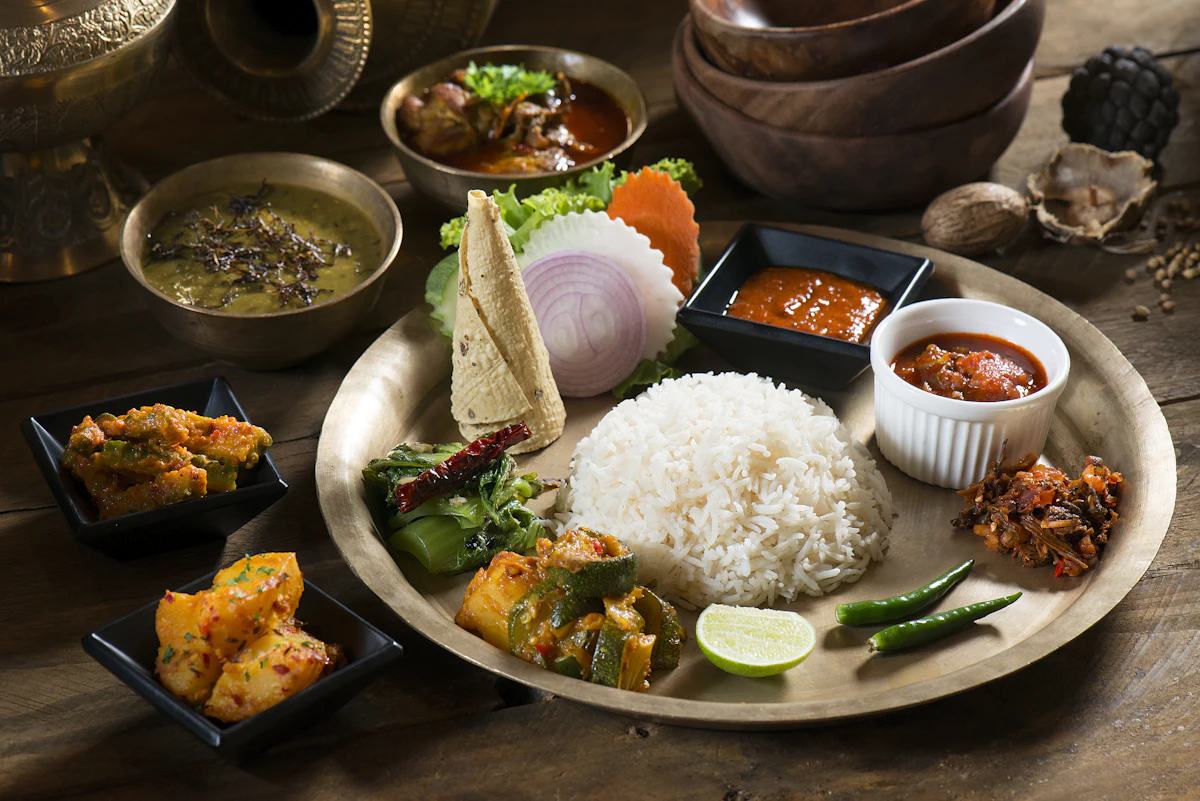 Regional thali counters One counter per region instead of one buffet pretending to cover all of them. ₹350–700 per guest across three counters
 -
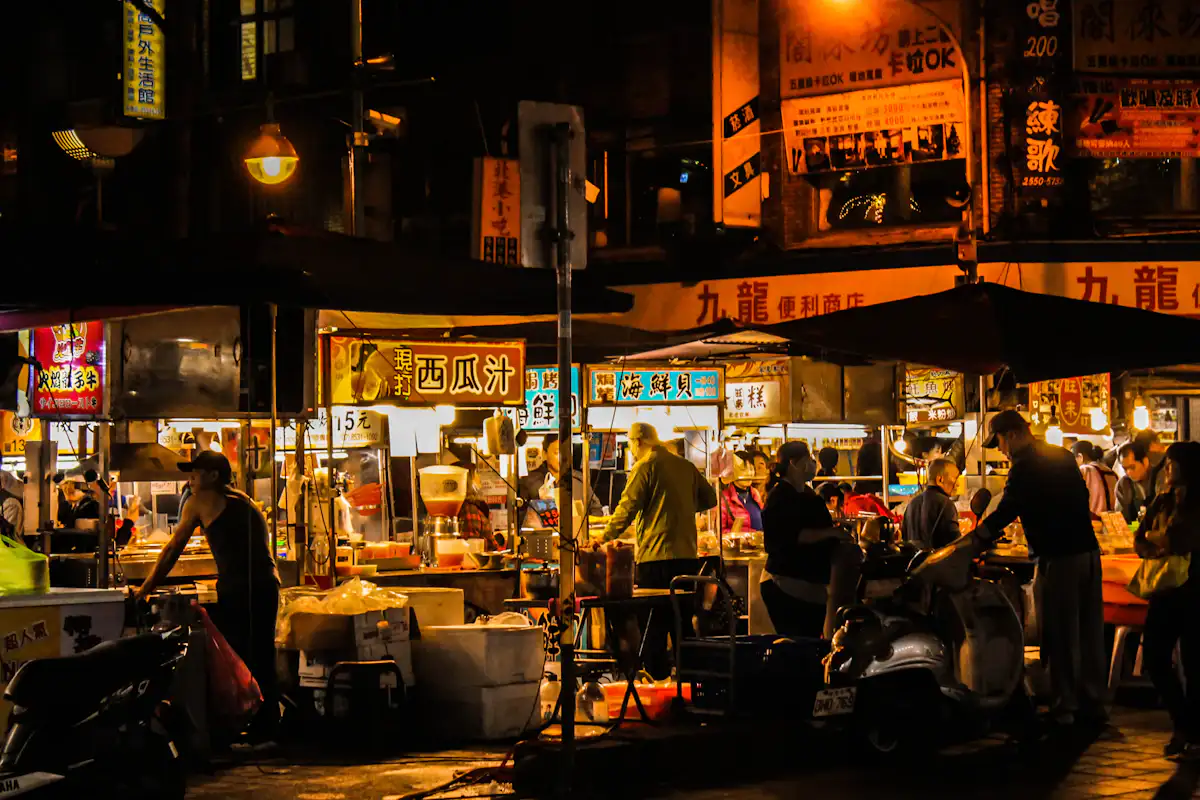 The late-night comfort counter The food people actually remember, served at midnight when dinner has worn off. ₹120–250 per guest
 -
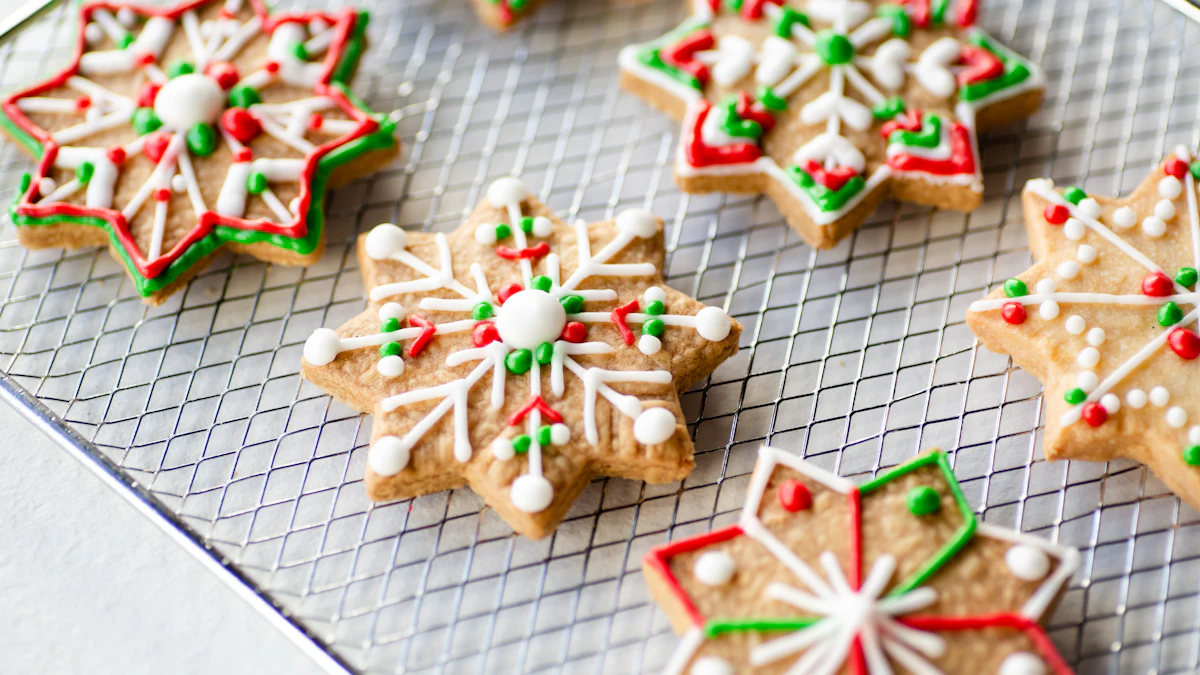 Edible menu cards A printed menu on a wafer or a chocolate tile that the guest eats. ₹60–140 per guest
 -
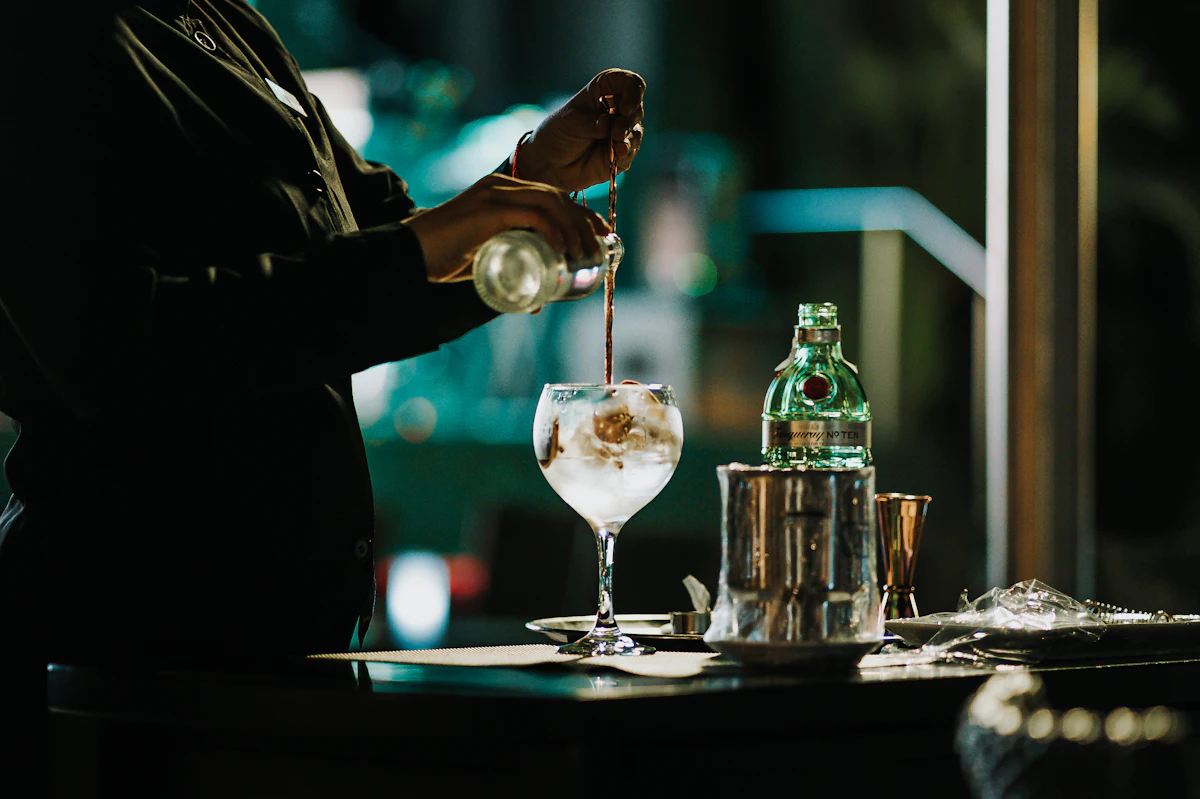 The mocktail mixology bar The right answer for a dry wedding, and better than the fruit-punch bowl it replaces. ₹150–300 per guest
 -
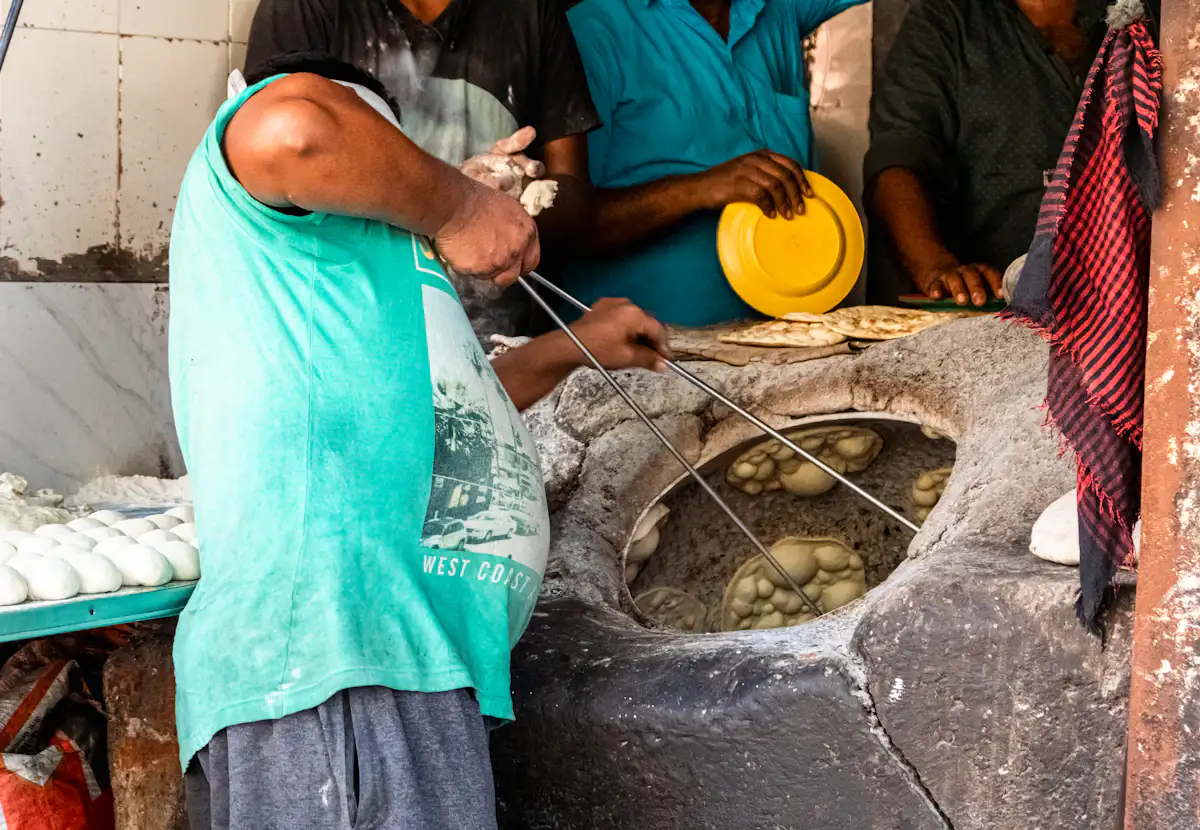 Live tandoor and sigdi stations Heat, smoke and the smell doing the marketing for you. ₹200–400 per guest
 -
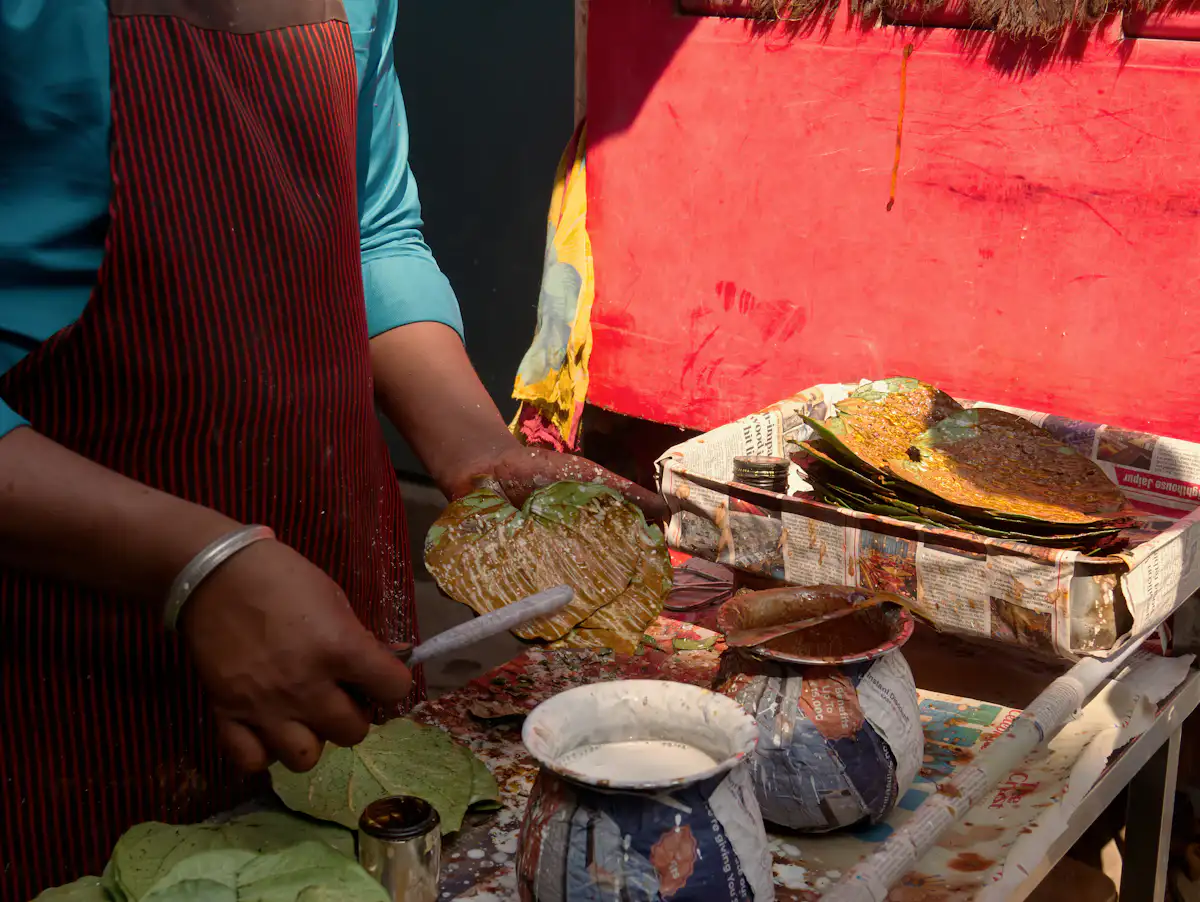 The paan and digestive cart The last thing a guest tastes, and the cheapest thing on this list. ₹40–90 per guest
 -
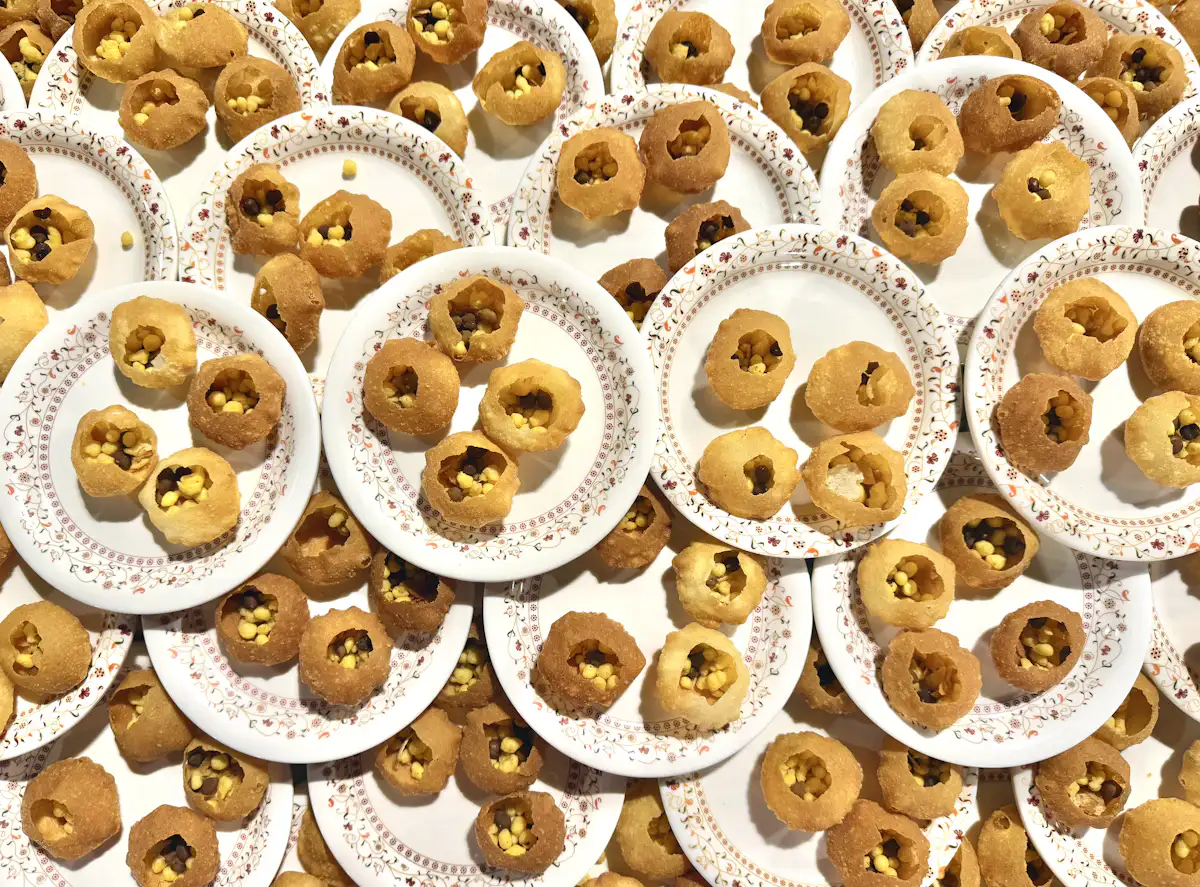 The pani puri shot bar Six flavoured waters in shot glasses, and a queue that never clears. ₹70–140 per guest
 -
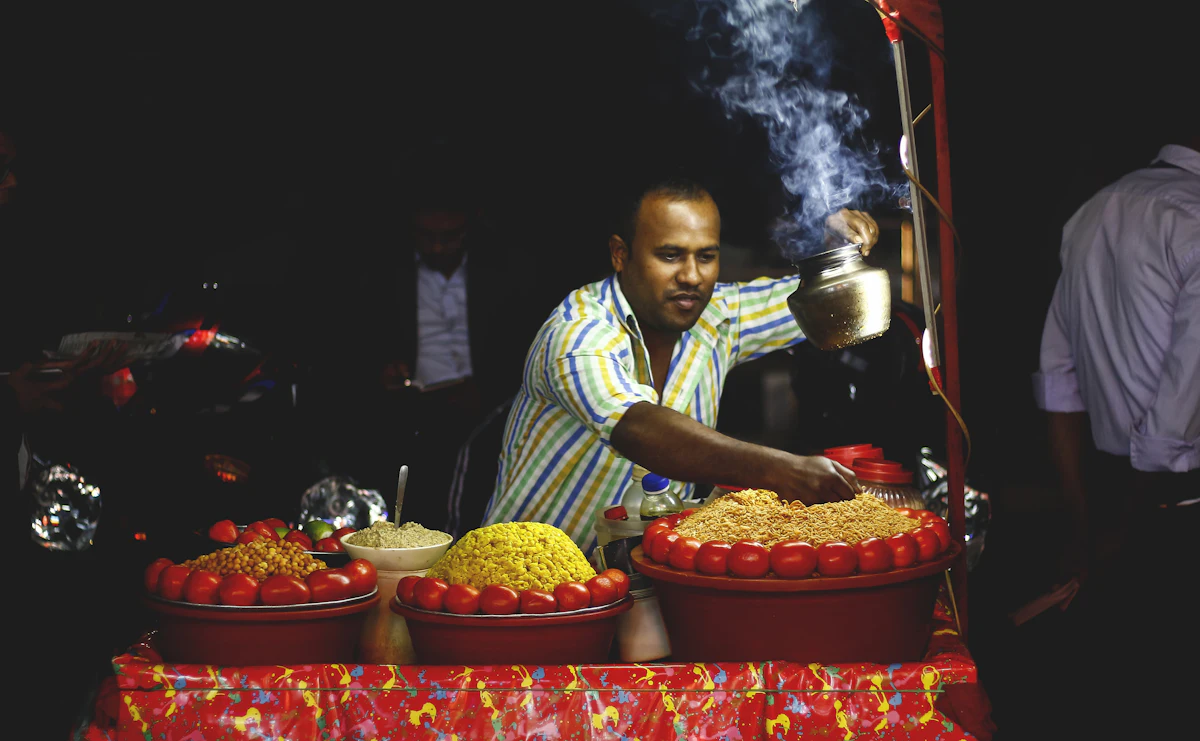 The roaming chaat cart A cart that moves through the crowd instead of a counter people queue at. ₹90–170 per guest
 -
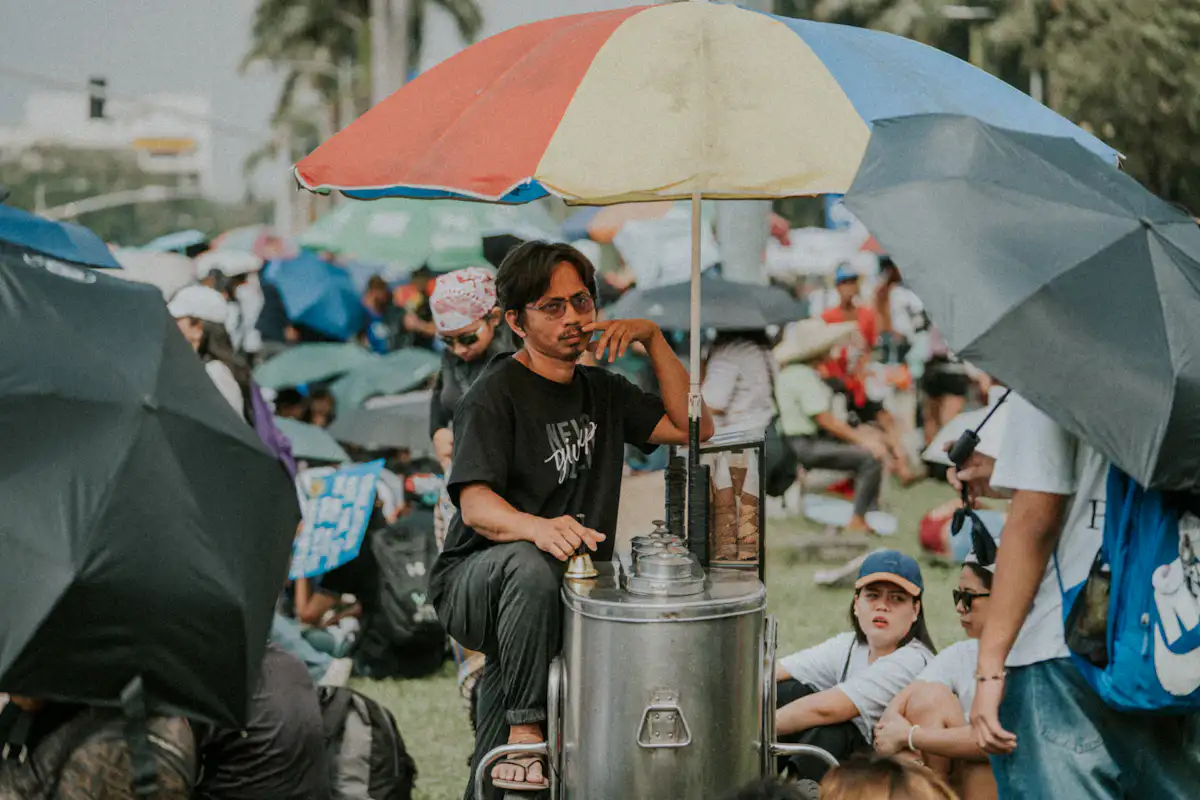 Kulfi and gola carts The cheapest crowd-pleaser on the list, and the best one for an afternoon function. ₹50–110 per guest
 -
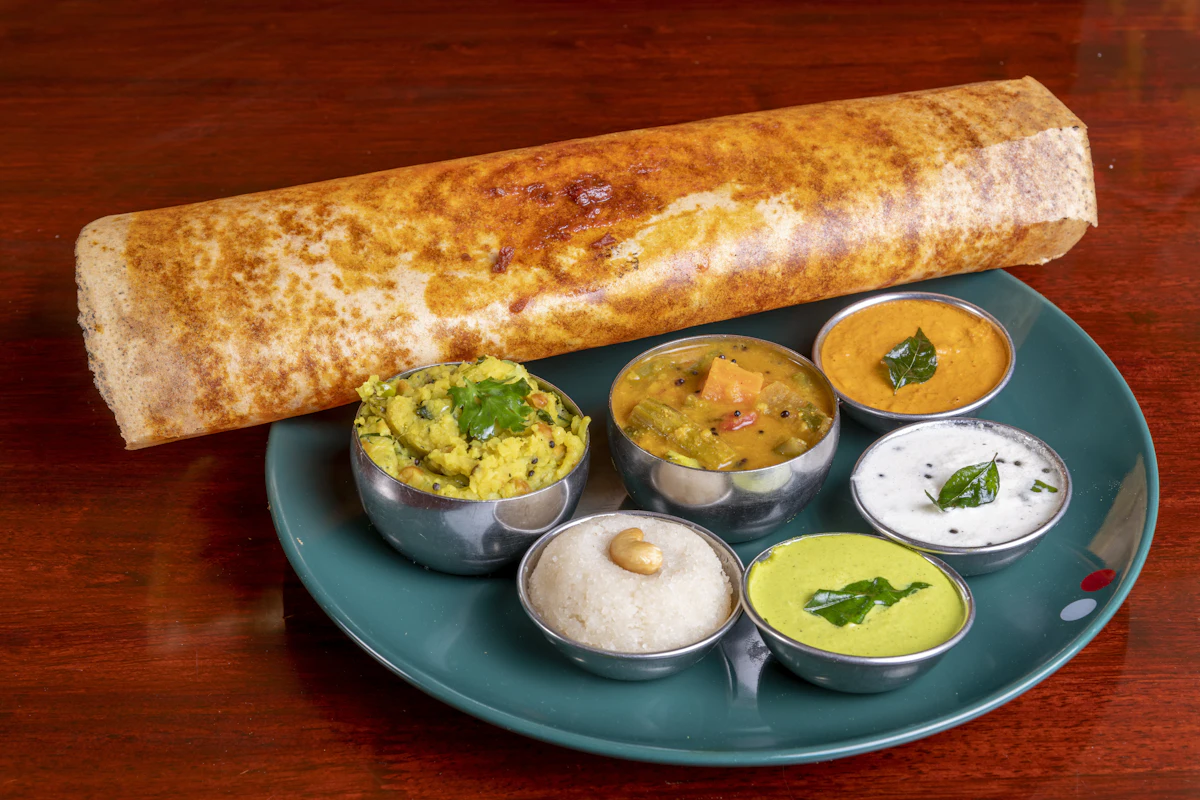 The live dosa and appam counter Made on the tawa in front of you, and it holds a queue happily. ₹110–200 per guest
 -
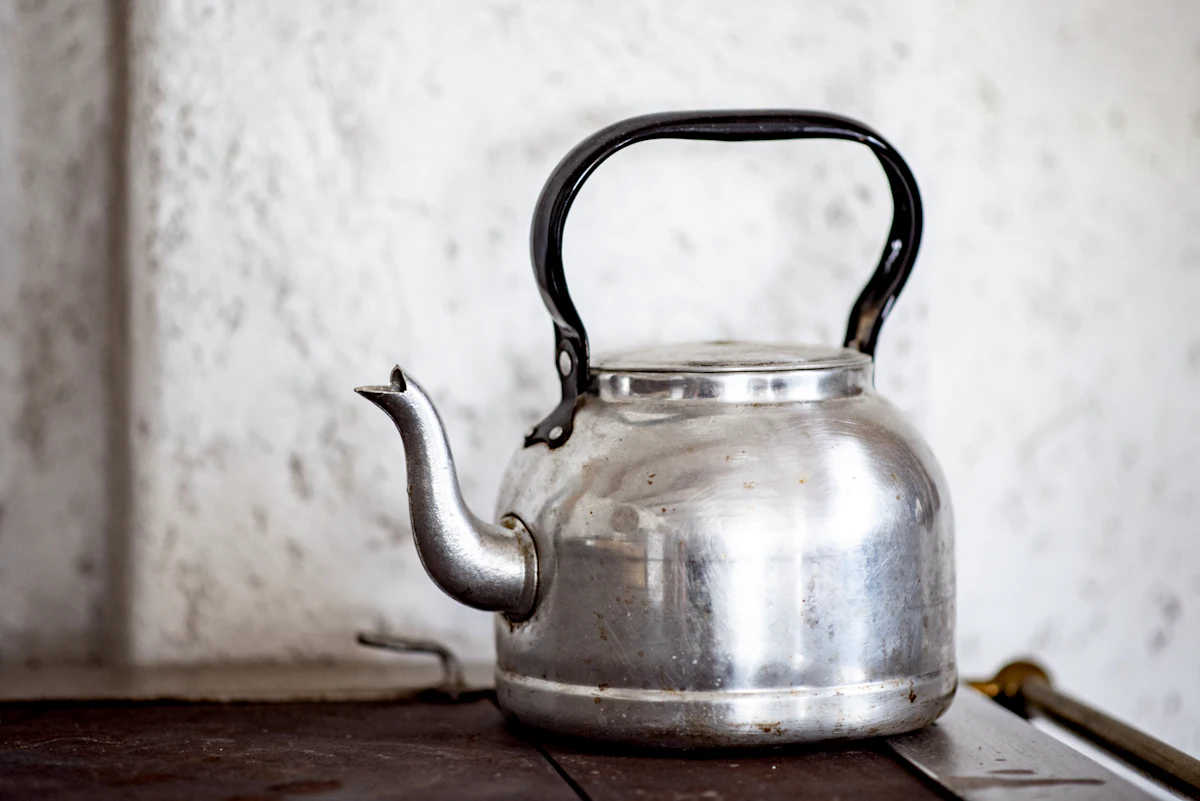 The kulhad chai and filter coffee cart For the 6am haldi and the 1am end of the sangeet. ₹40–90 per guest
 -
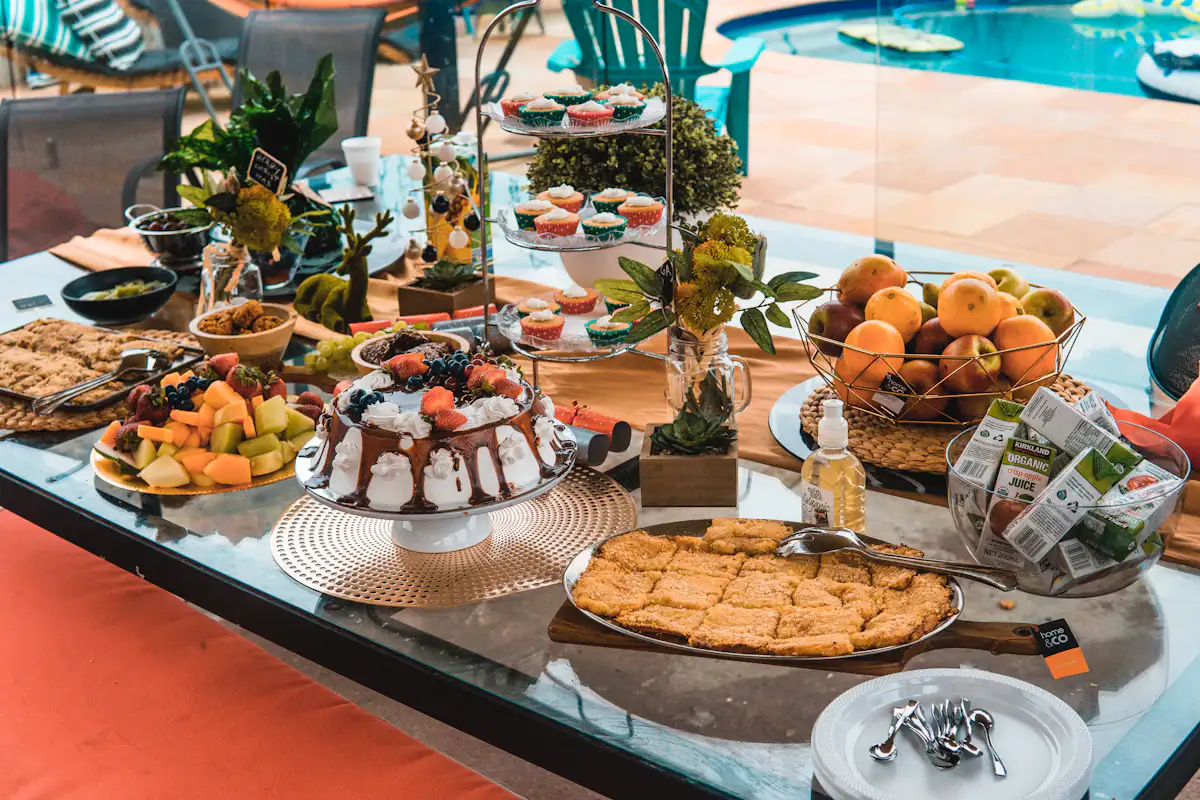 The dessert grazing table One long table of mithai and patisserie, styled as décor rather than as a buffet. ₹250–500 per guest
Things for guests to do
Three hundred people, four hours, and a gap between functions. What fills it without feeling like a corporate offsite.
-
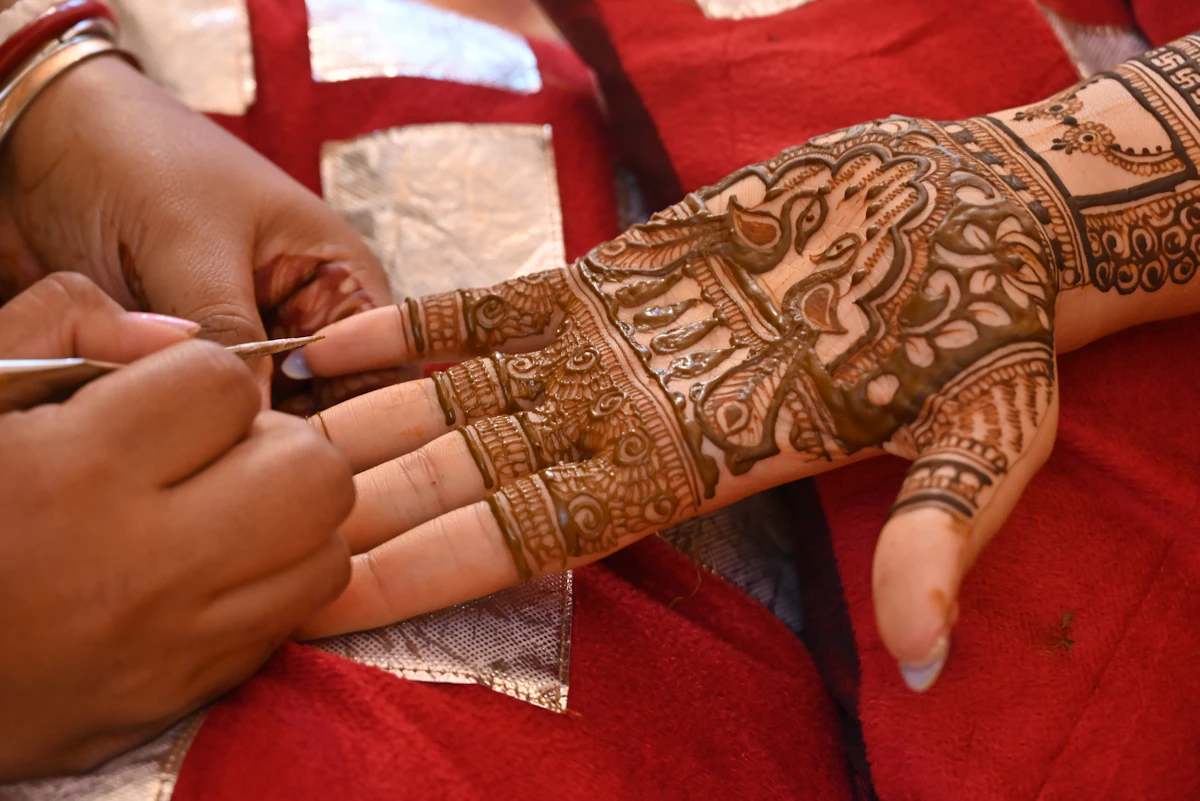 Mehndi artists on speed rounds Solves the queue that forms at every mehndi and ruins the function for the people in it. ₹2,500–6,000 per artist for the function
 -
 The 360° spinner booth A slow-motion clip the guest posts within the minute, with your hashtag on it. ₹25,000–60,000 for the function
 -
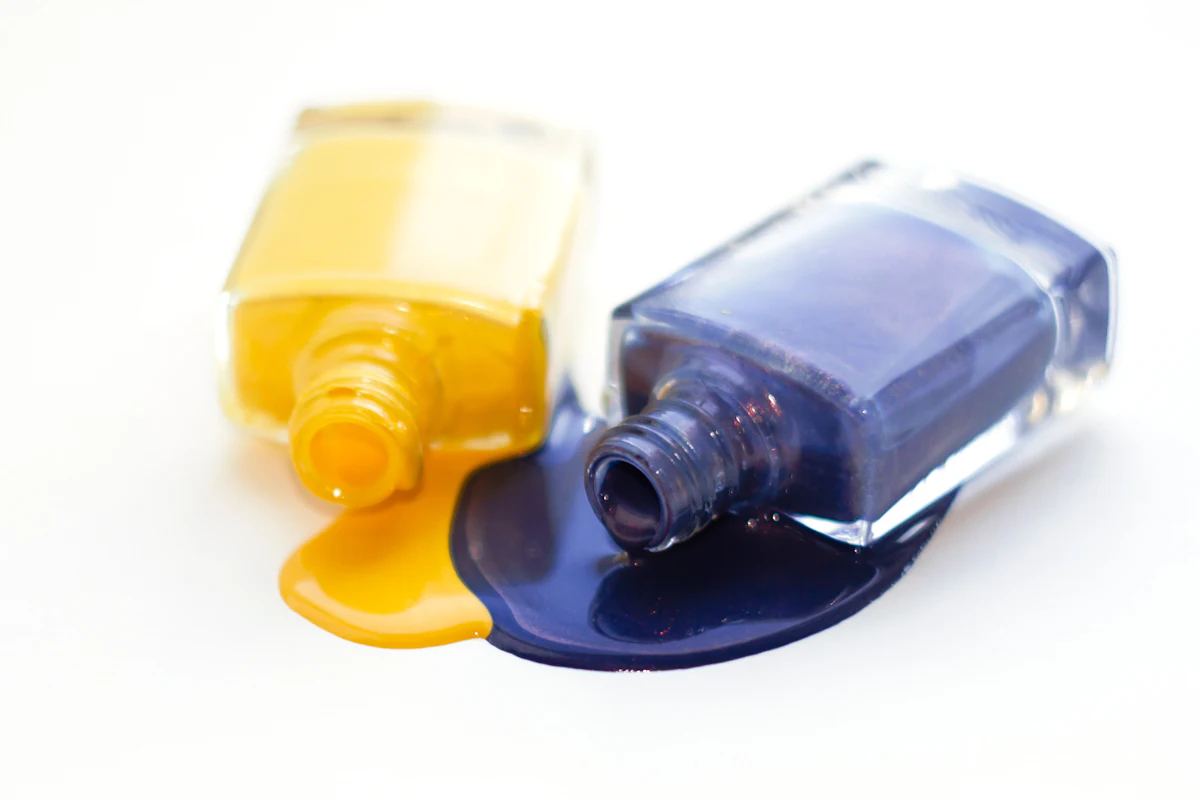 Temporary tattoo and nail bars Something for the cousins to do in the three hours between functions. ₹8,000–20,000 per station
 -
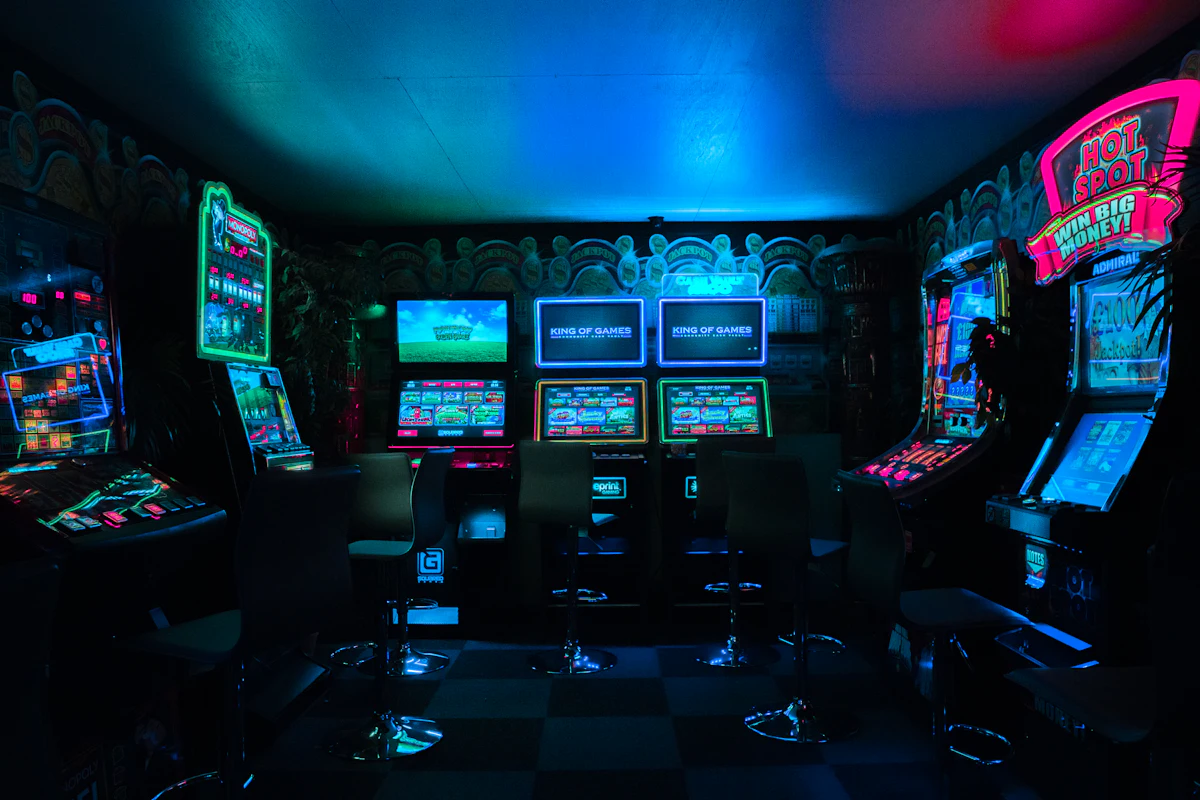 The shaadi arcade Carnival games and retro arcade cabinets for the guests who do not dance. ₹30,000–80,000 for a set of four
 -
 A kids’ corner that actually works Sixty children is a demographic, not an afterthought. ₹15,000–45,000 per function
 -
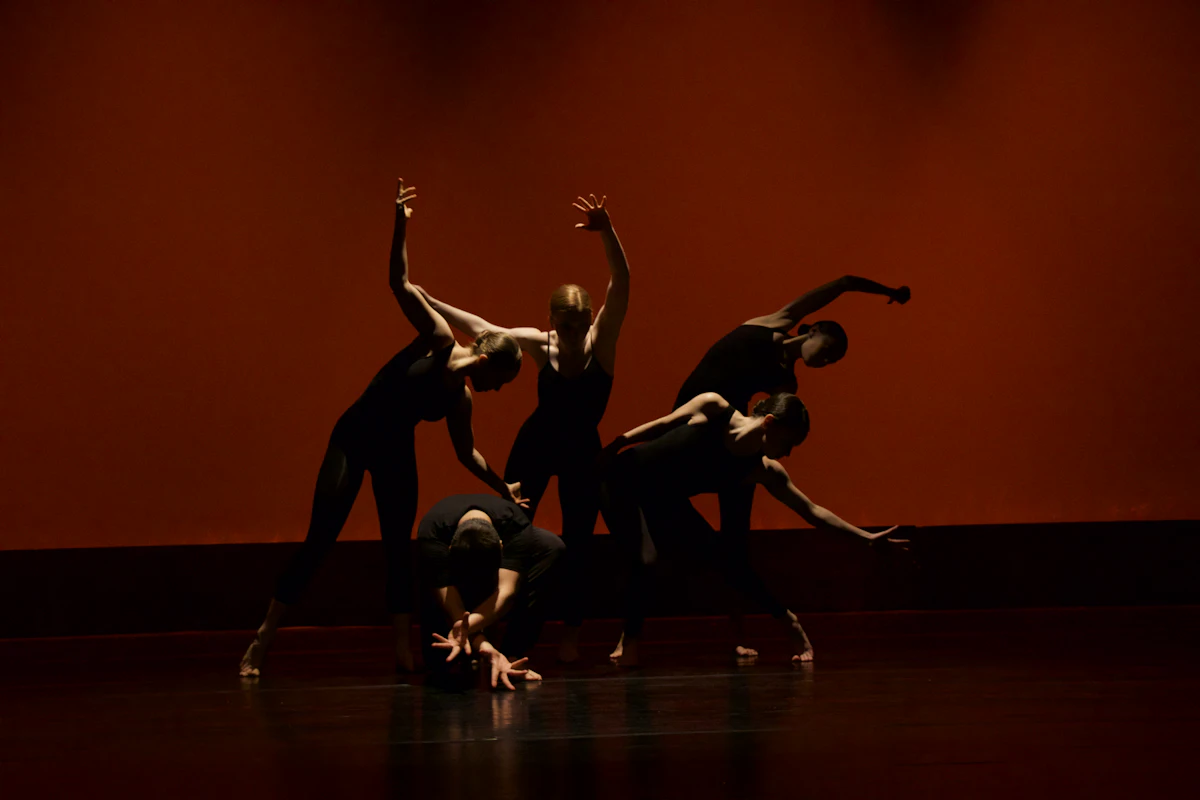 The sangeet flash mob Ten relatives, one rehearsed number, and the best three minutes of the night. ₹20,000–60,000 for a choreographer and 4–6 sessions
 -
 The couple’s dog, done properly A ring-bearer everybody photographs, if somebody is assigned to the dog. ₹5,000–15,000 for a handler
 -
 A live portrait or caricature artist A favour the guest takes home that was made for them. ₹12,000–30,000 for four hours
 -
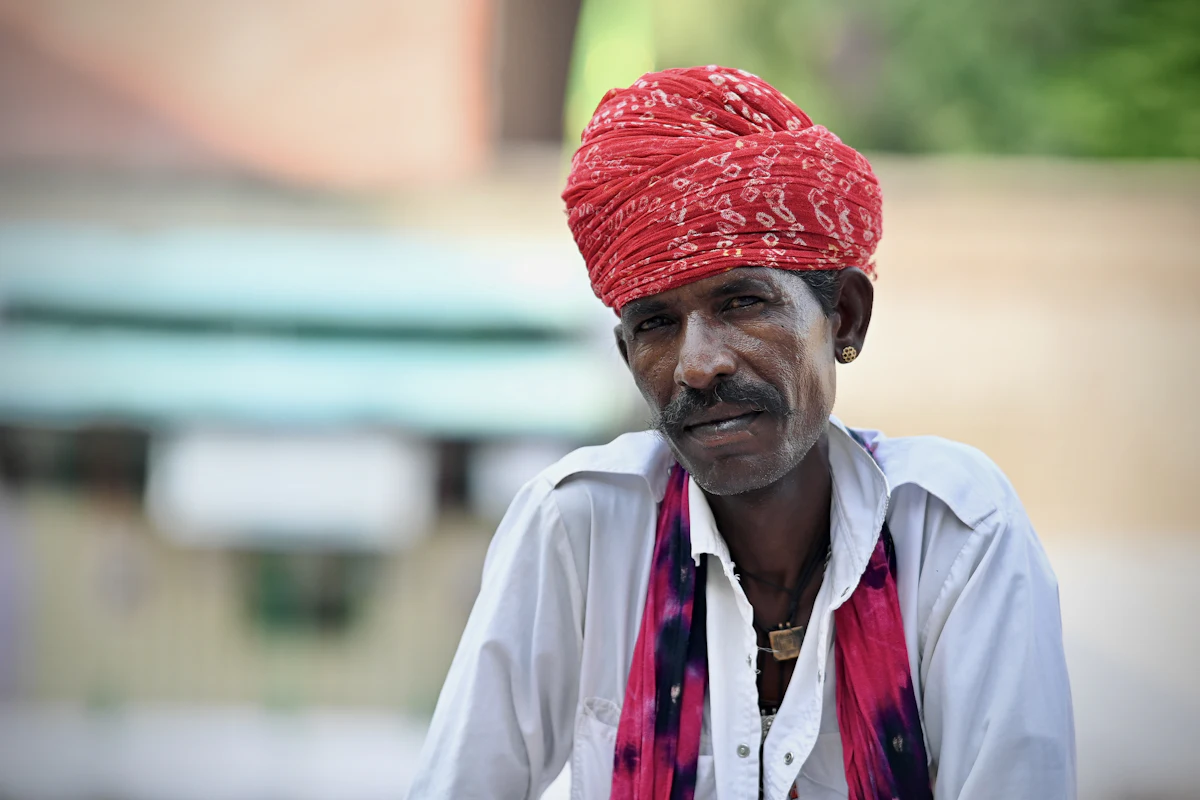 A safa and turban tying station Every male guest wants one and nobody knows how to tie it. ₹4,000–9,000 per tier for the function
 -
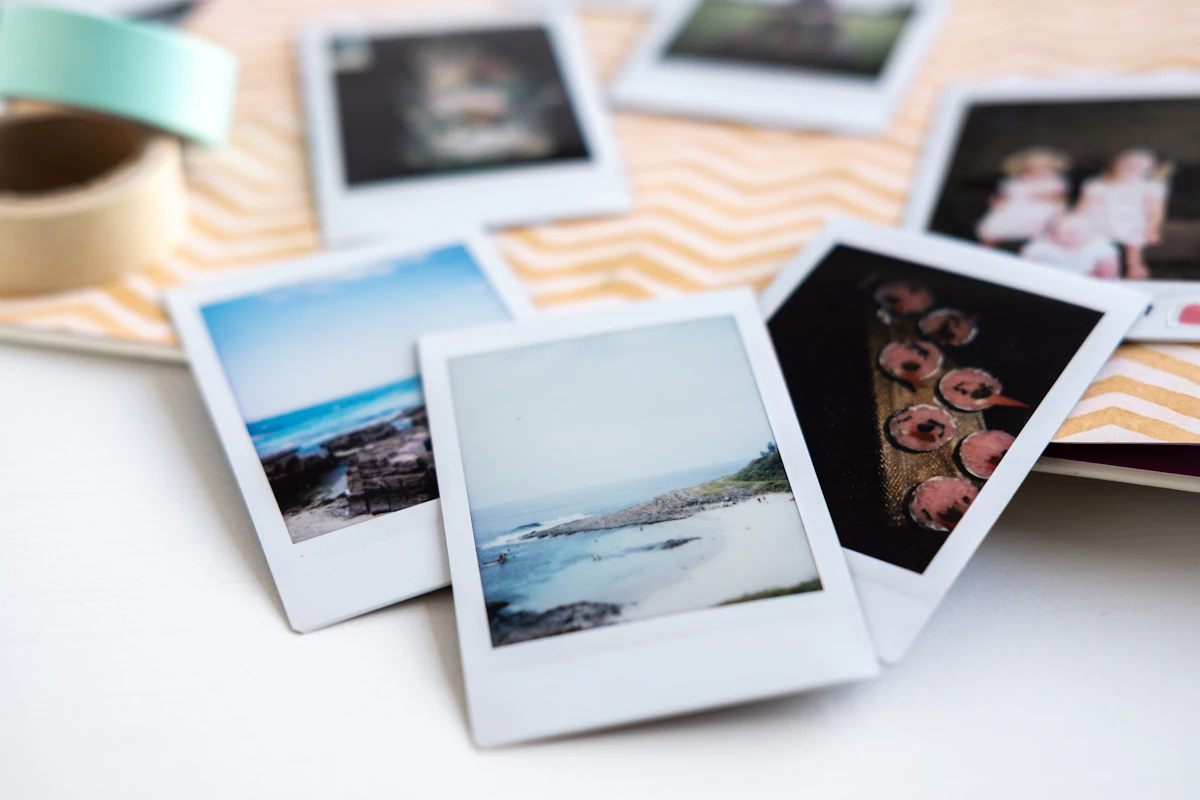 The instant-photo guest book A guest book people actually write in, because there is a photo of them next to it. ₹8,000–20,000 including film
 -
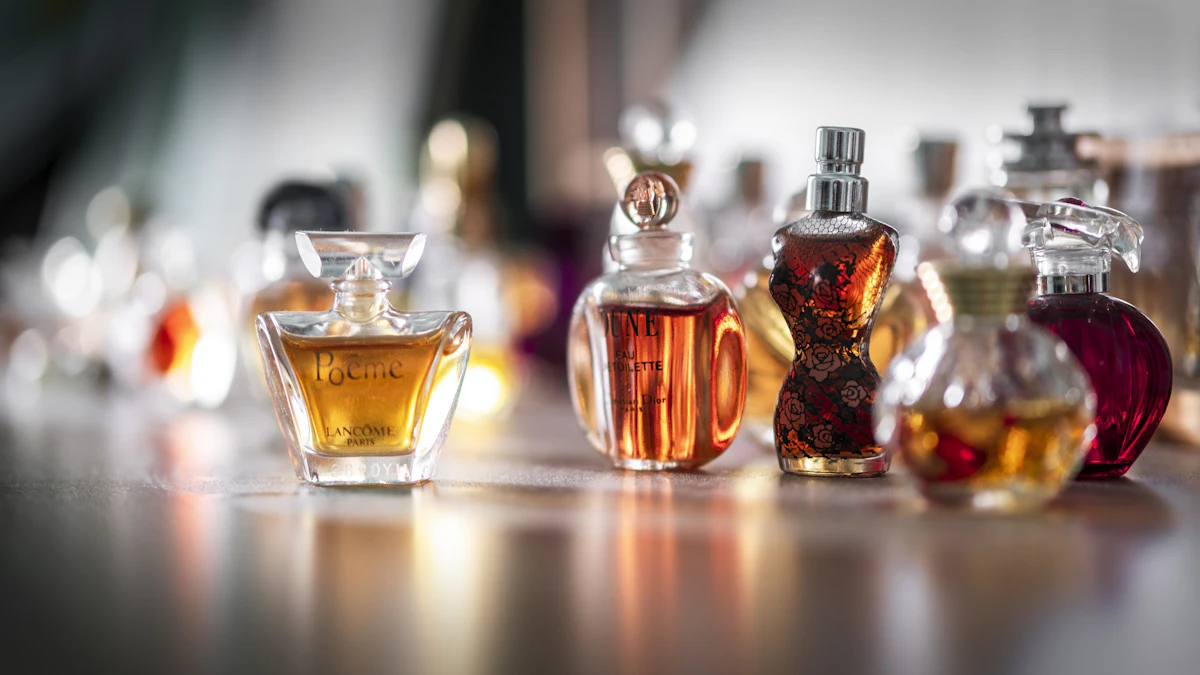 The attar and perfume blending bar A favour the guest makes themselves and takes home in a bottle. ₹250–600 per guest
 -
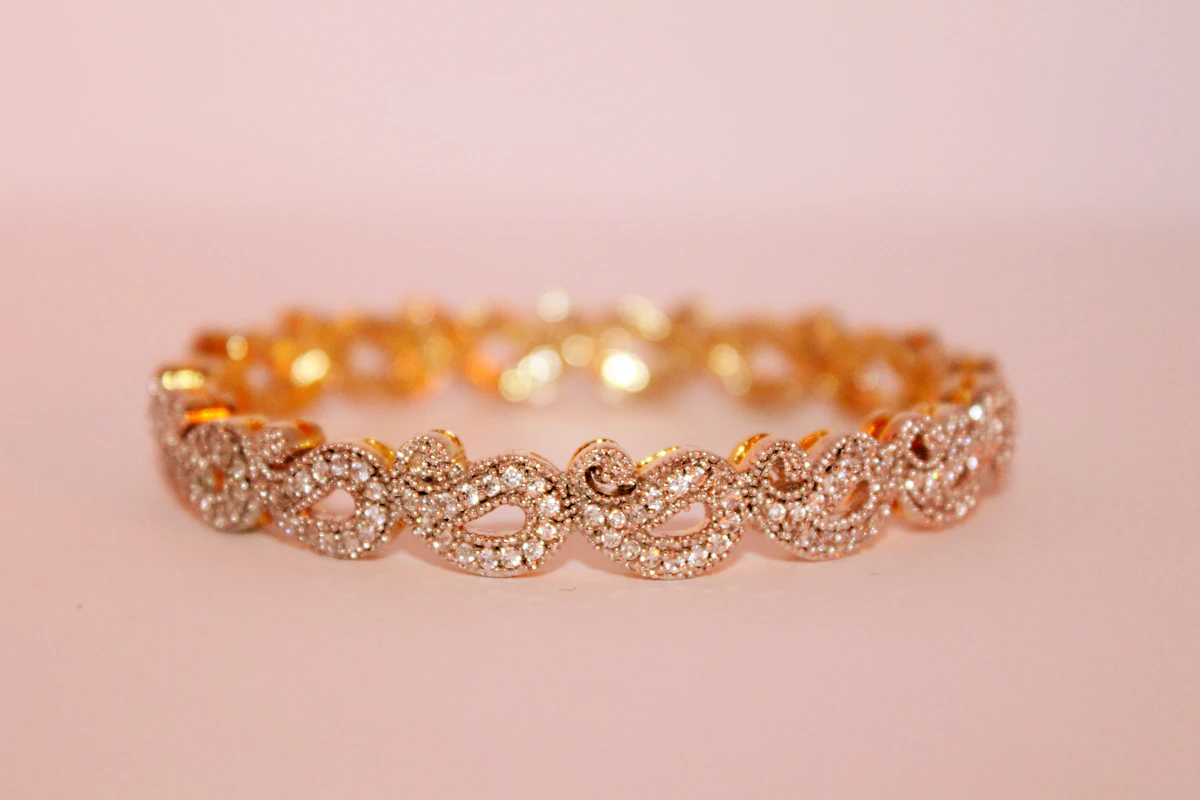 The bangle stall A manihari with trays of glass bangles, matching them to what each guest is wearing. ₹6,000–15,000 plus stock
 -
 A hosted antakshari, bride’s side versus groom’s Free, needs no equipment, and gets the generation who will not dance to compete. ₹0–15,000 for a compere
 -
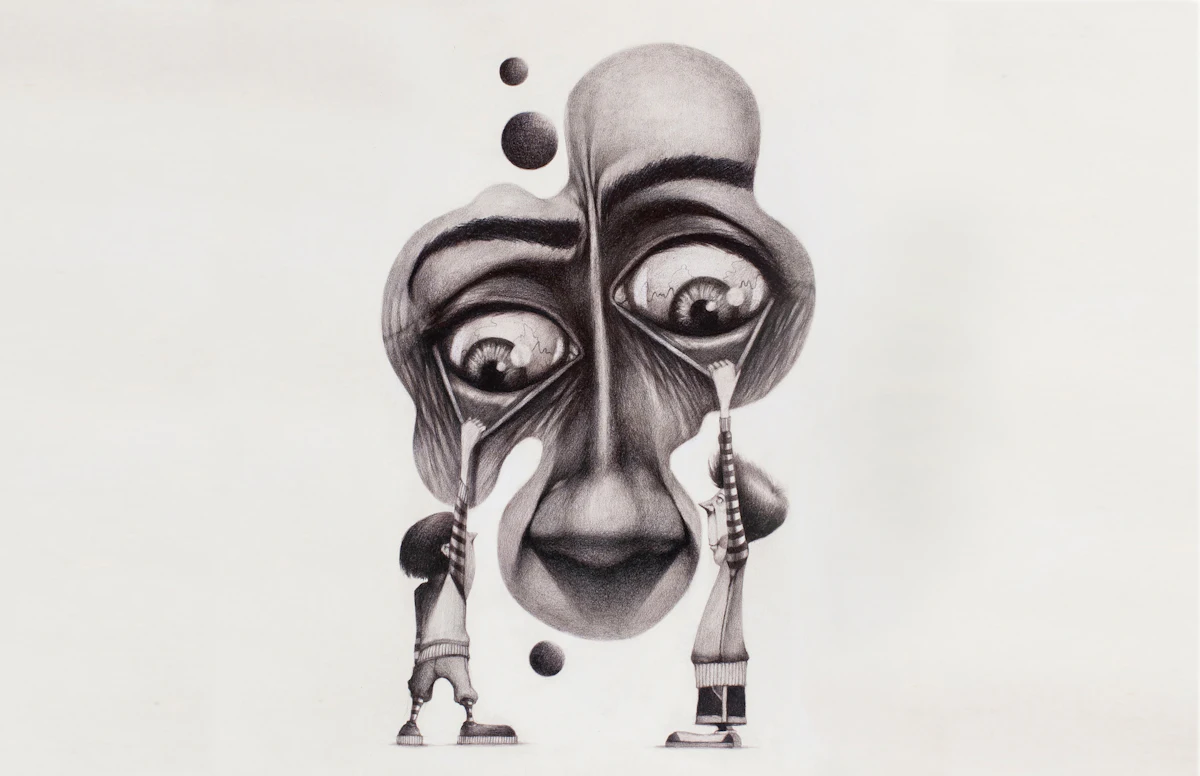 The family caricature wall Every relative drawn as a cartoon, captioned with what they are famous for. ₹15,000–40,000
 -
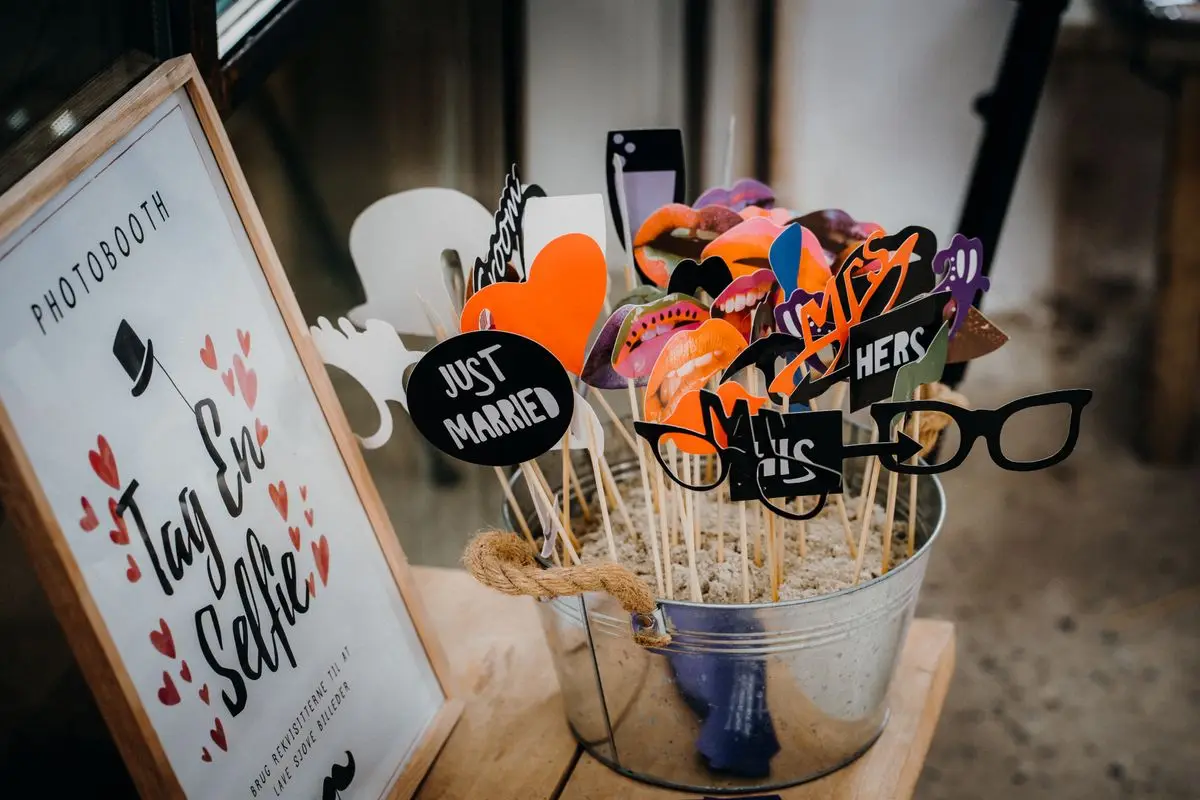 The prop box that actually gets used Two hundred rupees of cardboard does more for the photographs than the backdrop behind them. ₹1,500–6,000 for a set that survives one wedding
 -
 The paper wall guests punch their face through One sheet of paper, one flash, and a poster of forty faces bursting out of it. Ask three vendors
Entries and spectacle
The thirty seconds everybody films. Bride and groom entries, baraat formats, and the effects that are worth the money.
-
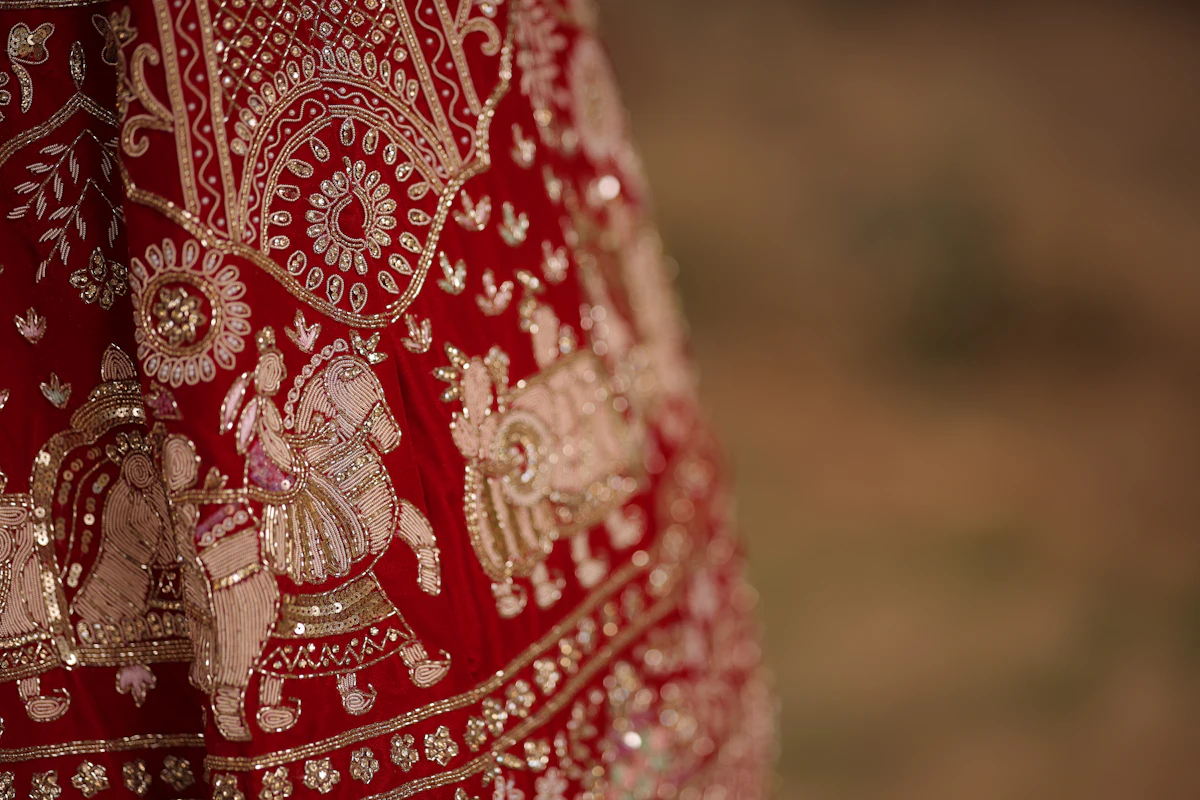 Bride entry formats, ranked by what can go wrong Phoolon ki chaadar, LED palki, mirror aisle, or brothers carrying her in. ₹25,000–2,00,000 depending on format
 -
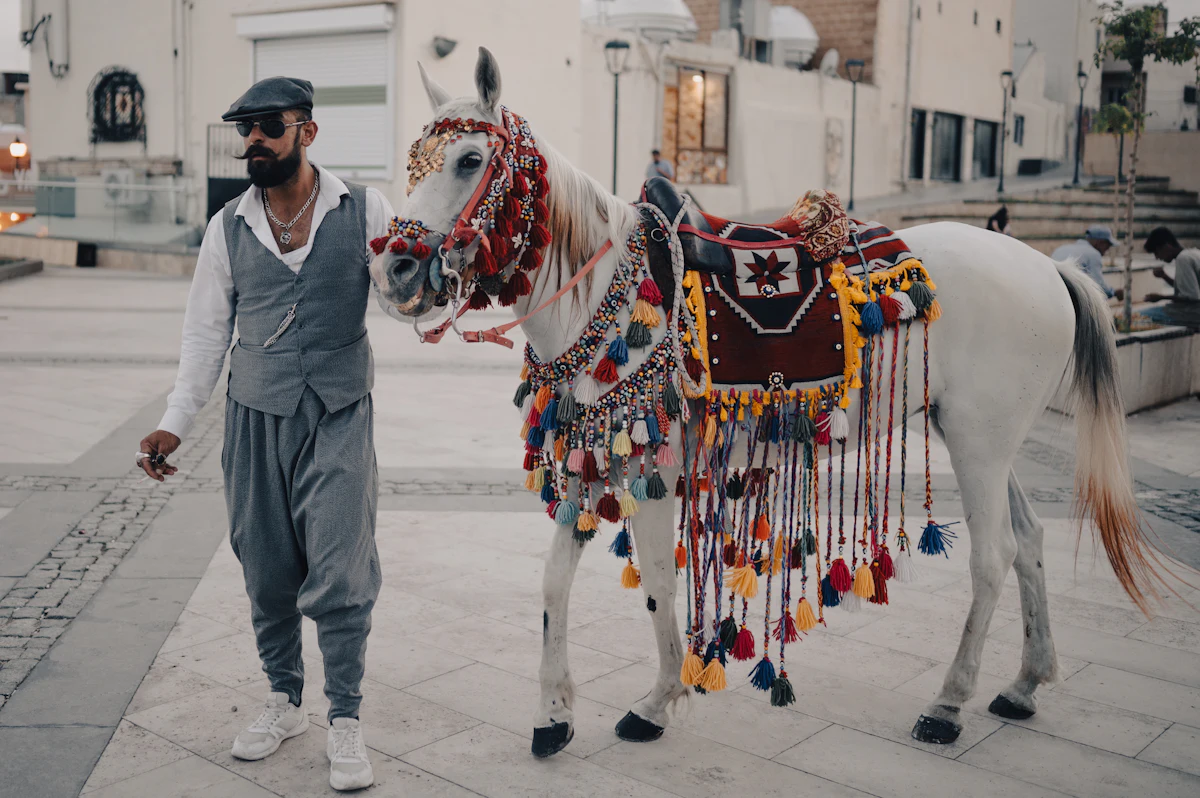 What the groom actually arrives on Horse, vintage car, tractor, boat or helicopter — and the permissions each needs. ₹8,000 (horse) to ₹3,00,000+ (helicopter)
 -
 Drone light shows The replacement for fireworks, and the one with the longest lead time. ₹4,00,000–15,00,000 depending on fleet size
 -
 Cold fire fountains and CO₂ jets The indoor-safe way to make an entry look like an entry. ₹15,000–50,000 for a set
 -
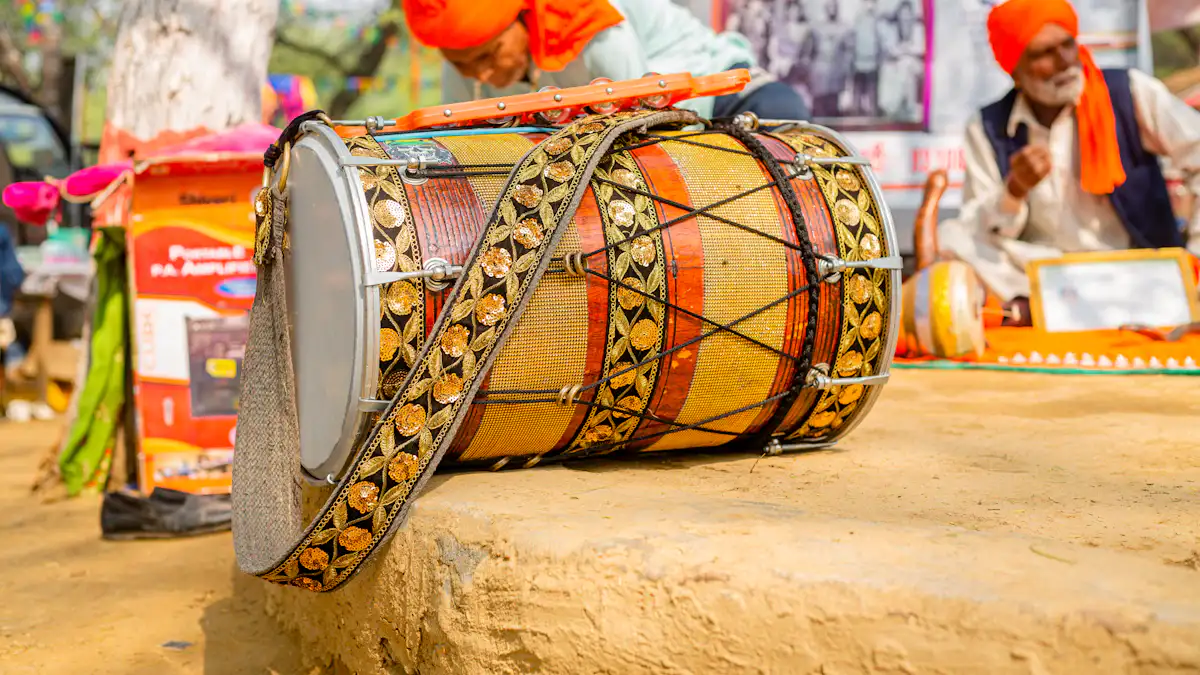 The dhol-only opener No track, no PA — eight dhols and nothing else for ninety seconds. ₹6,000–15,000 per dhol player
 -
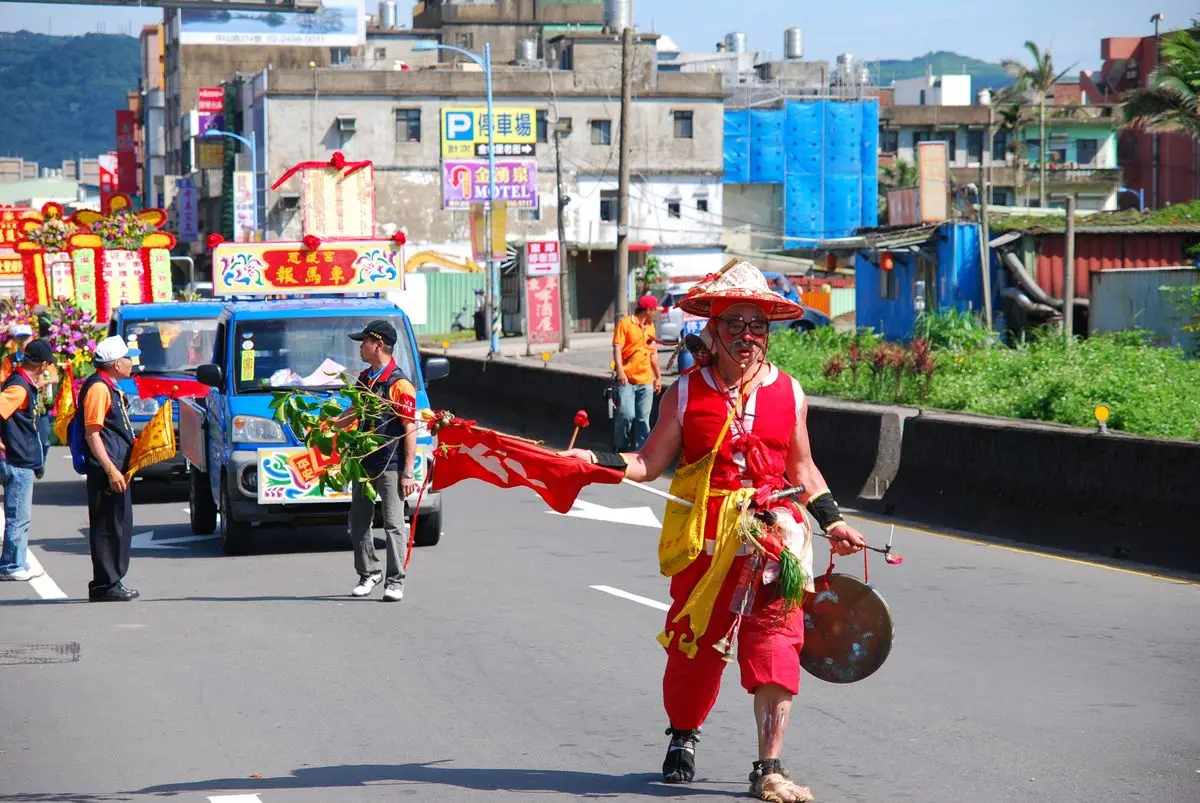 The mascot in the baraat A full-body gorilla suit walks into the procession and every phone turns away from the horse. ₹5,000–15,000 per artist in Ahmedabad and Surat; ₹20,000–50,000 in Delhi and Mumbai, before logistics
 -
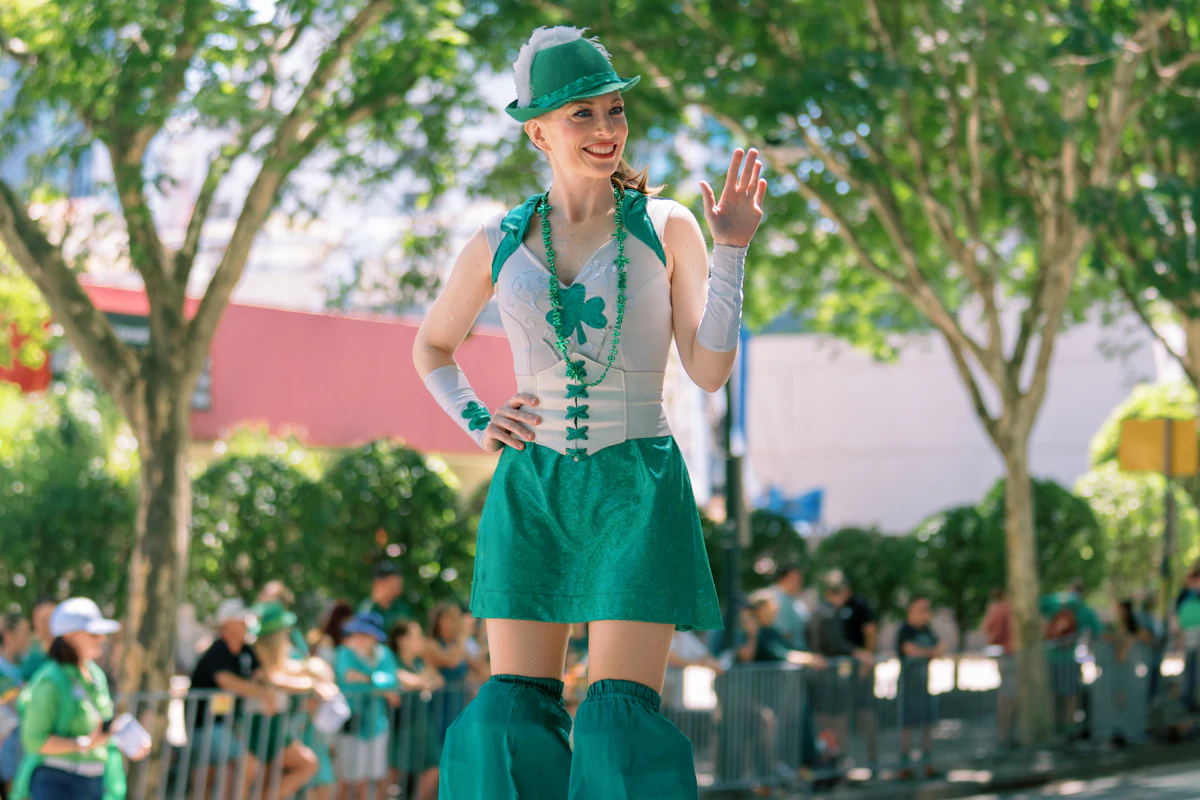 Stilt walkers, and the camel version Twelve feet of costume that guests photograph on the way in, before anything has started. ₹7,000–9,000 per artist for up to three hours; camel and LED costumes are quoted above that
 -
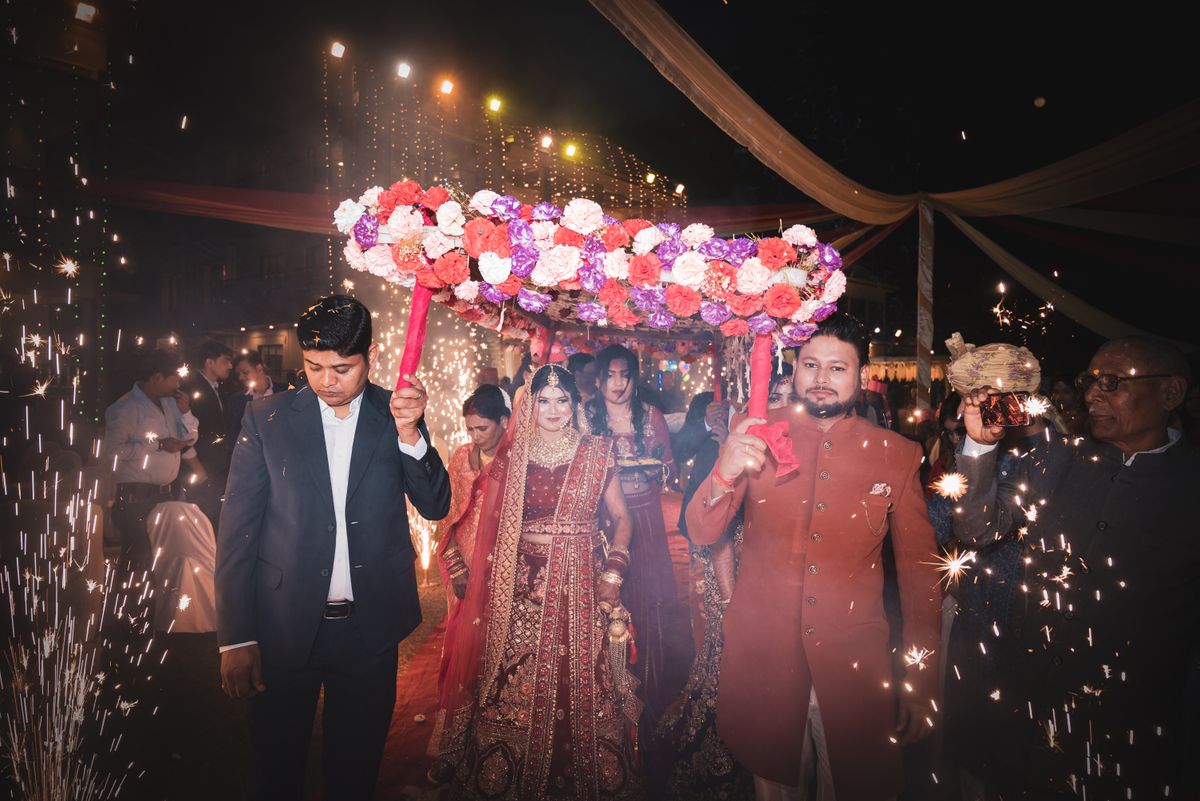 Phoolon ki chaadar, done so it does not sag The most photographed bridal entry in India, and the one most often carried badly. ₹18,000–60,000
 -
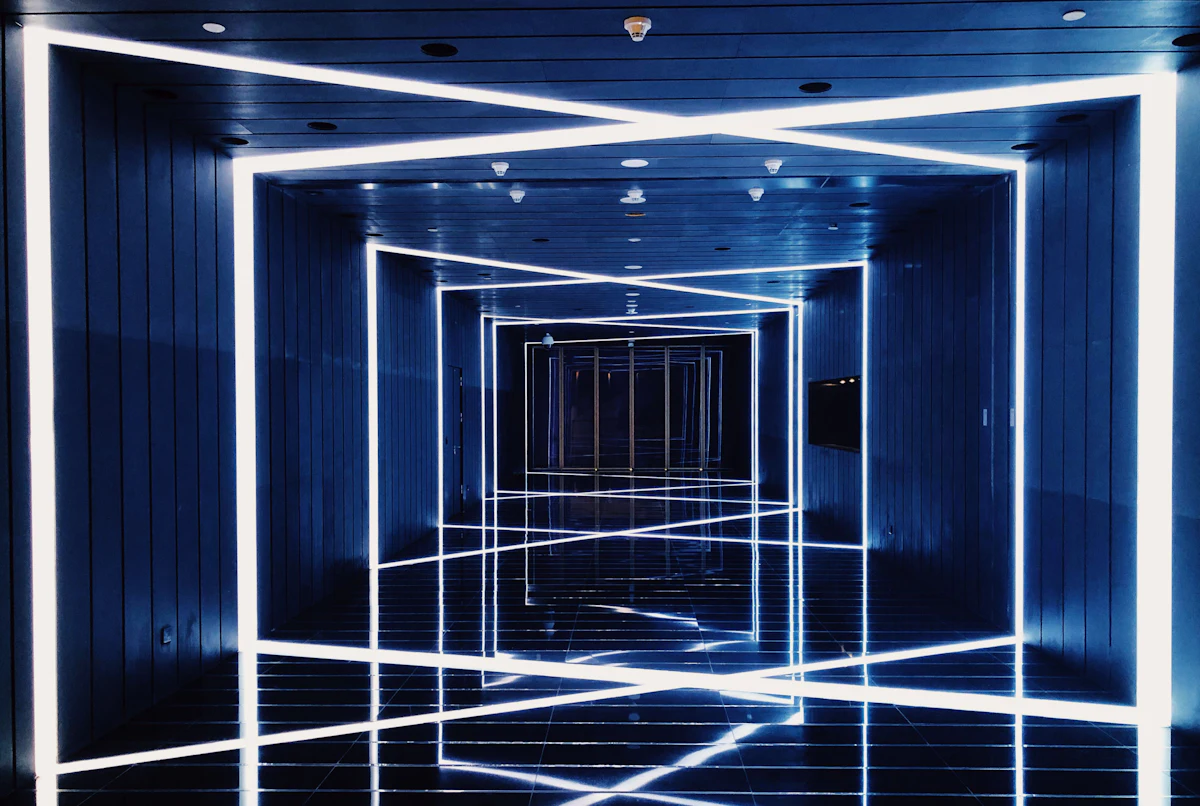 Mirror and LED aisles The floor doing the work, and the cabling nobody plans for. ₹40,000–2,00,000 depending on run length
 -
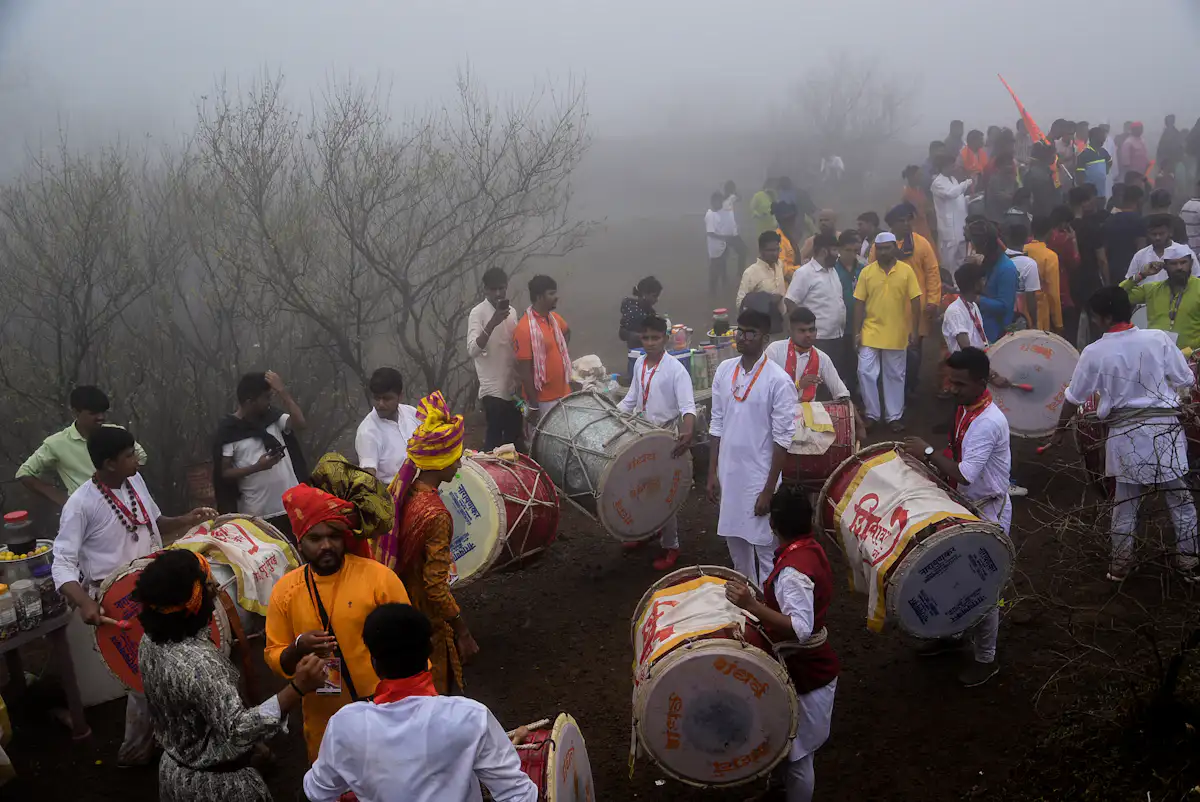 A dhol-tasha pathak Thirty to sixty players instead of four, and it changes the scale of the baraat entirely. ₹40,000–1,50,000 for a troupe
 -
 The overhead flower drop Petals falling on the couple at the exact moment, from a rig nobody can see. ₹12,000–45,000
 -
 Projection mapping on the backdrop The stage changing behind the couple, in time with the music. ₹1,50,000–6,00,000
Logistics that feel like luxury
The unglamorous half. Done well, a guest never notices it; done badly, it is the only thing they remember.
-
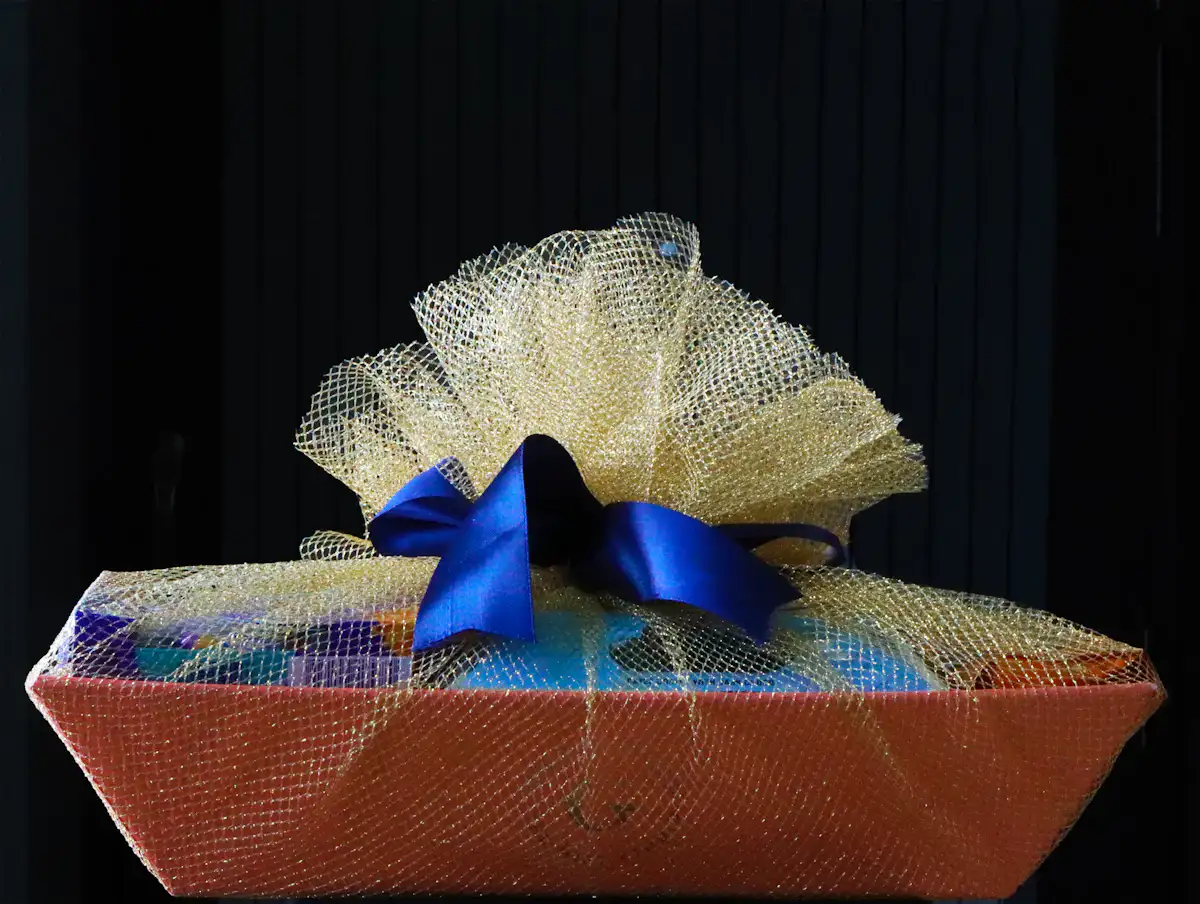 Welcome hampers, sorted by guest rather than by budget Four versions of the same hamper beats one version nobody needed. ₹400–2,500 per hamper
 -
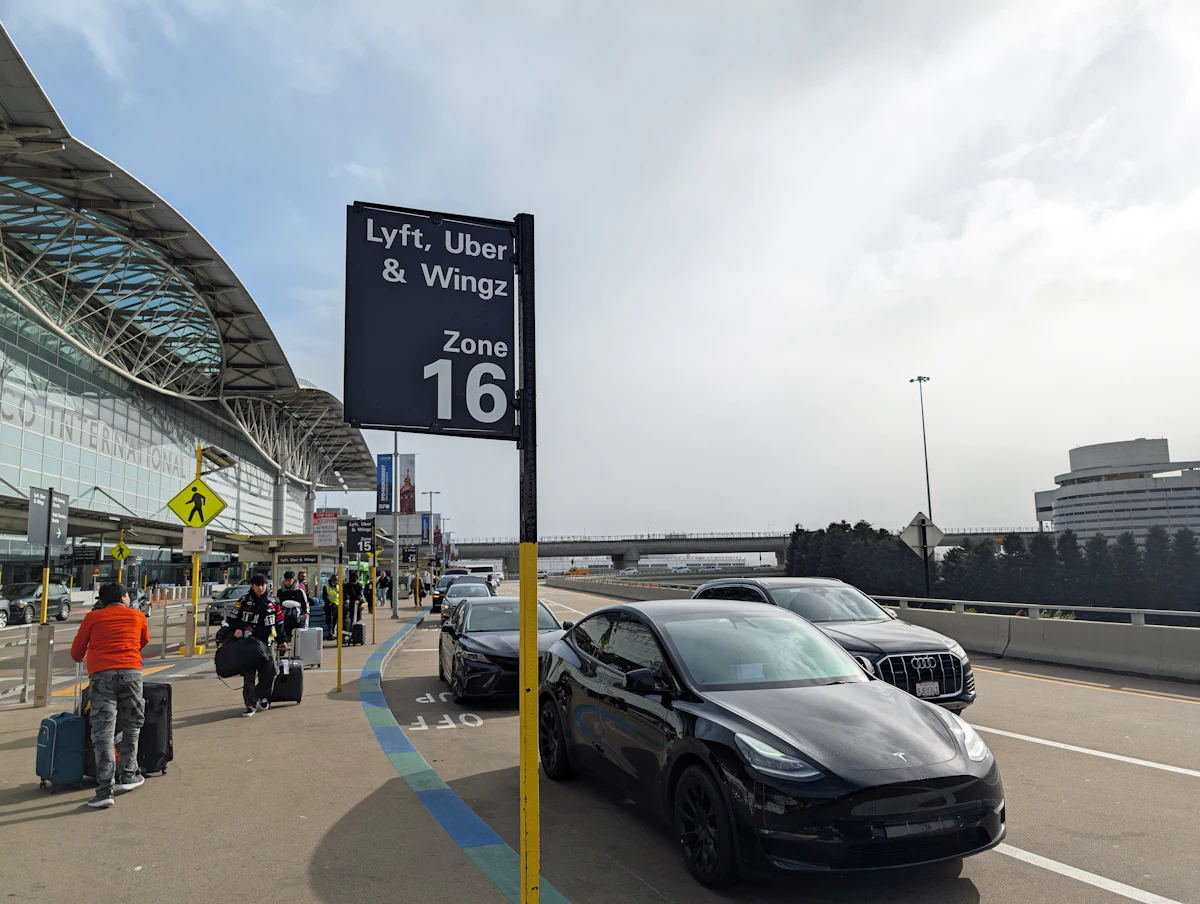 Airport pickups that do not go wrong Sixty guests, thirty flights, three days — and one spreadsheet that is already out of date. ₹1,200–3,000 per pickup
 -
 Room-drop notes, written by hand The cheapest thing on this entire list and the one guests mention afterwards. ₹30–150 per room
 -
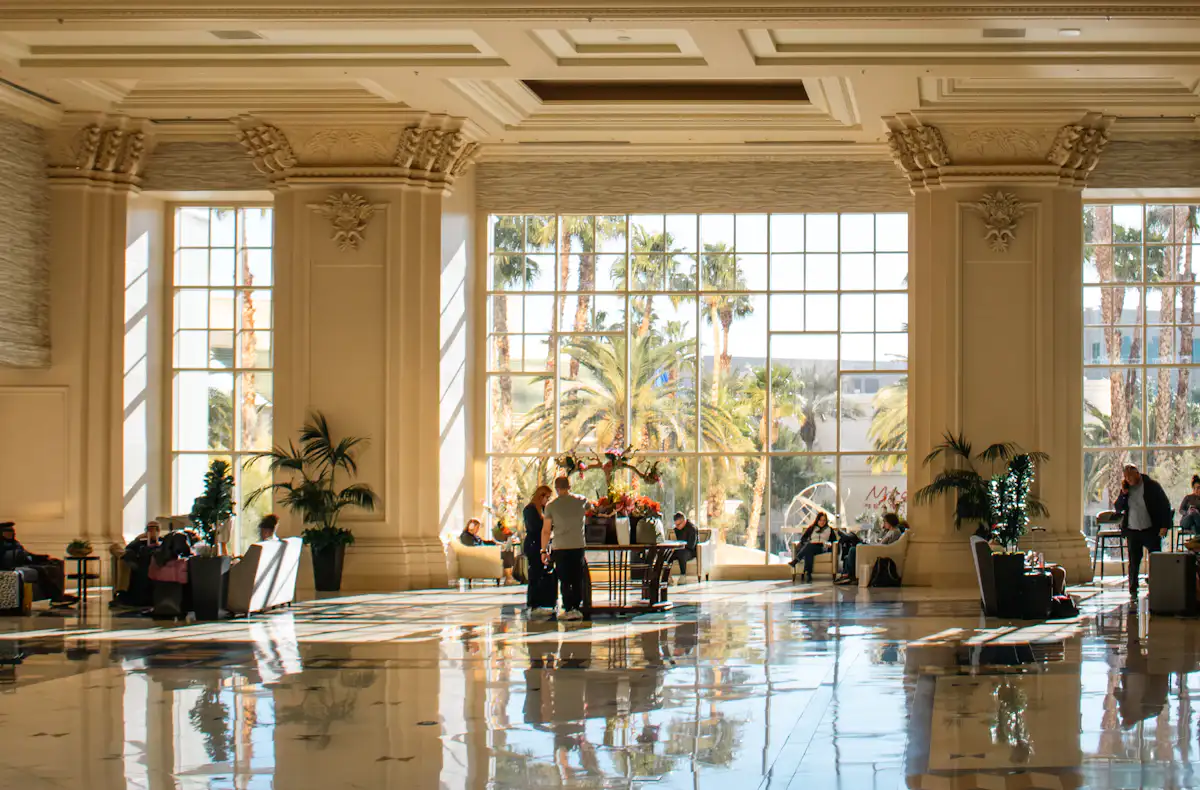 A rooming list that survives contact with the guests The document that is wrong within a day of being made, and how to stop that. Ask three vendors
 -
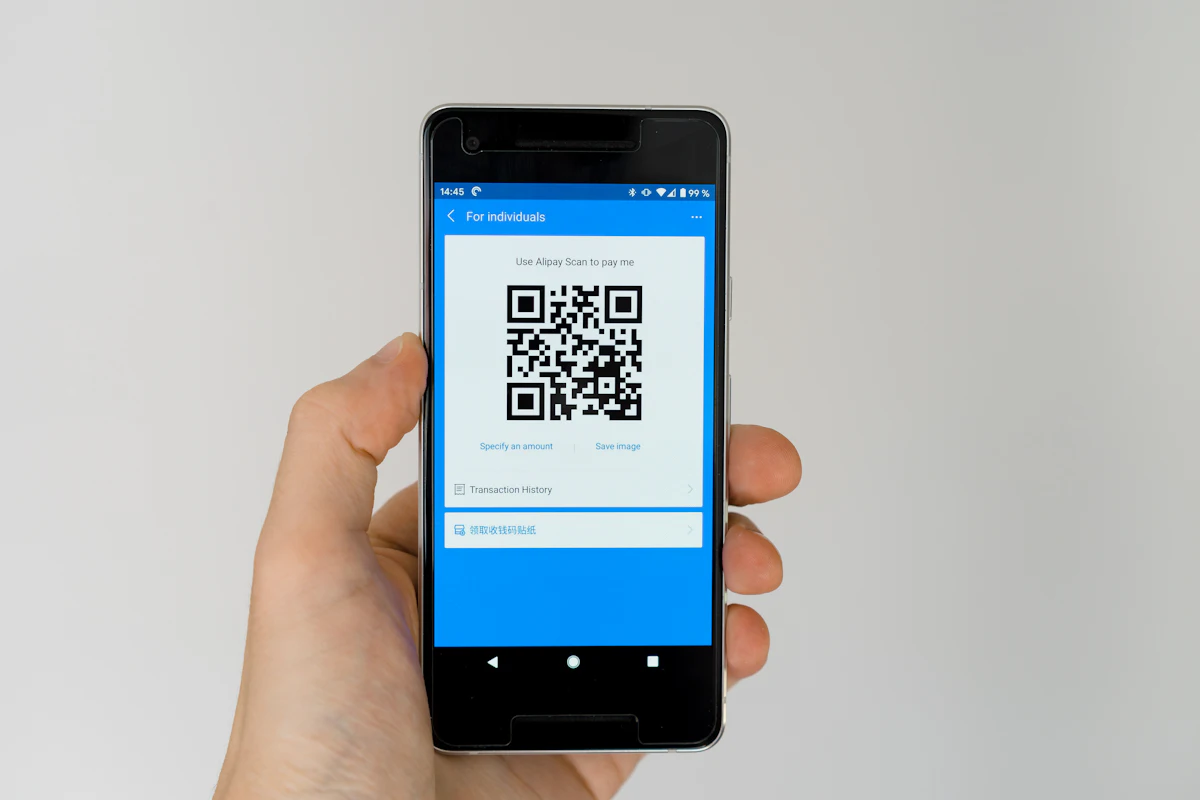 The entry pass, from the guest’s side What it feels like to arrive when the gate already knows who you are. Ask three vendors
 -
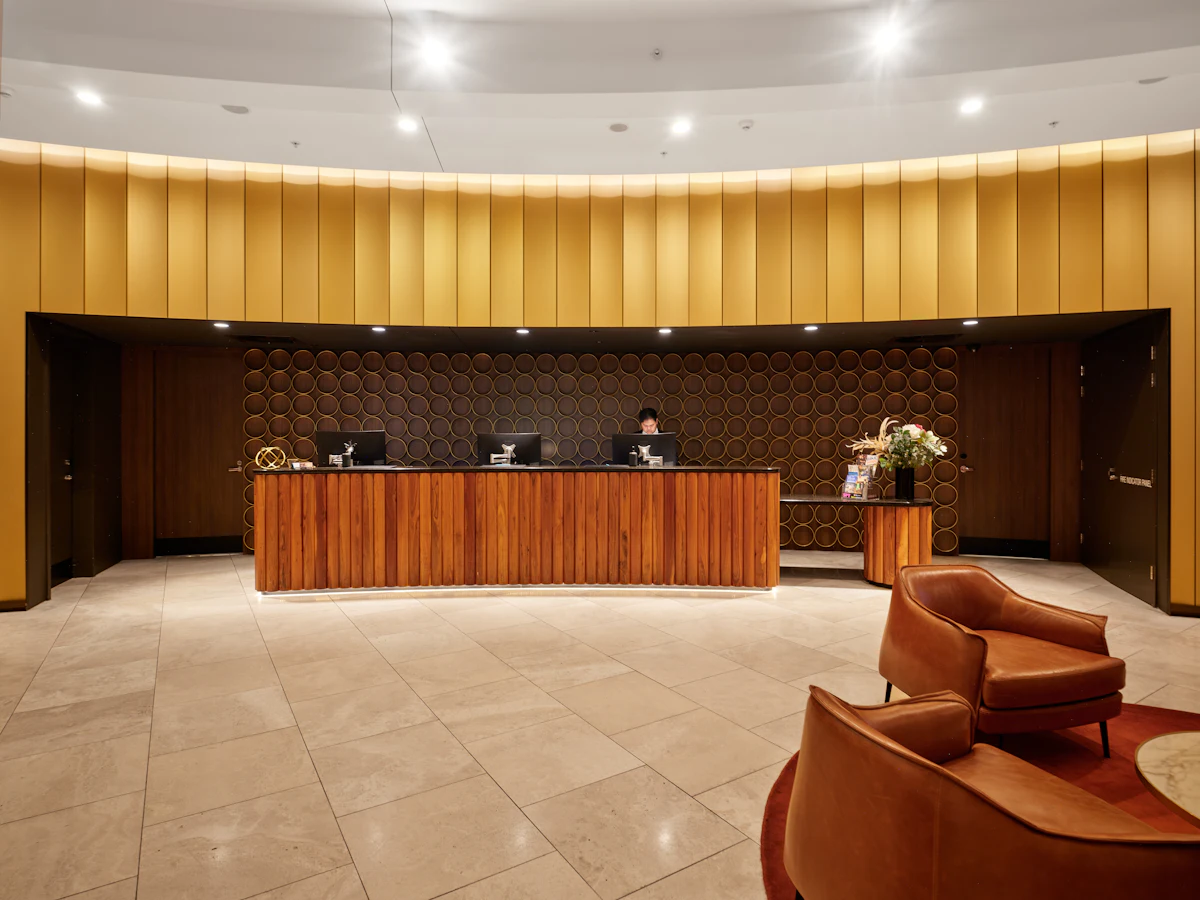 A staffed guest desk in the hotel lobby One table, two people, and every question stops reaching the family. ₹3,000–6,000 per person per day
 -
 A shuttle loop instead of individual cars One bus every twenty minutes beats forty cars nobody can find. ₹8,000–20,000 per vehicle per day
 -
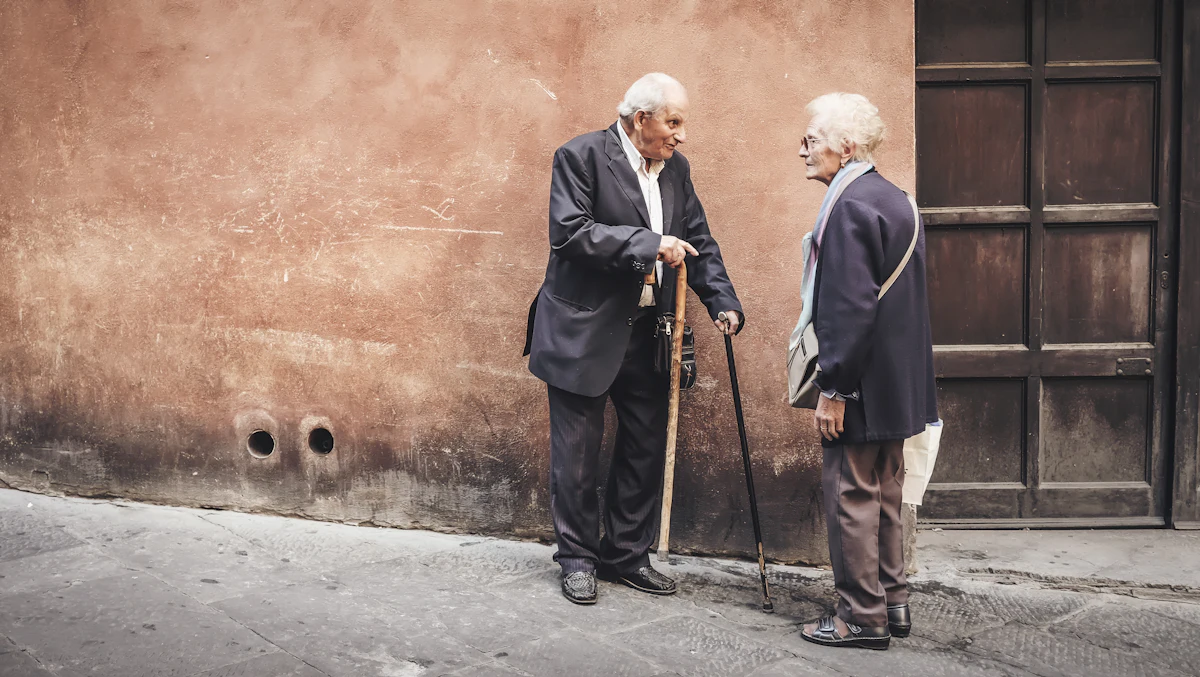 A plan for the guests over seventy Chairs, shade, a quiet room, and someone whose job is to notice. ₹5,000–20,000
 -
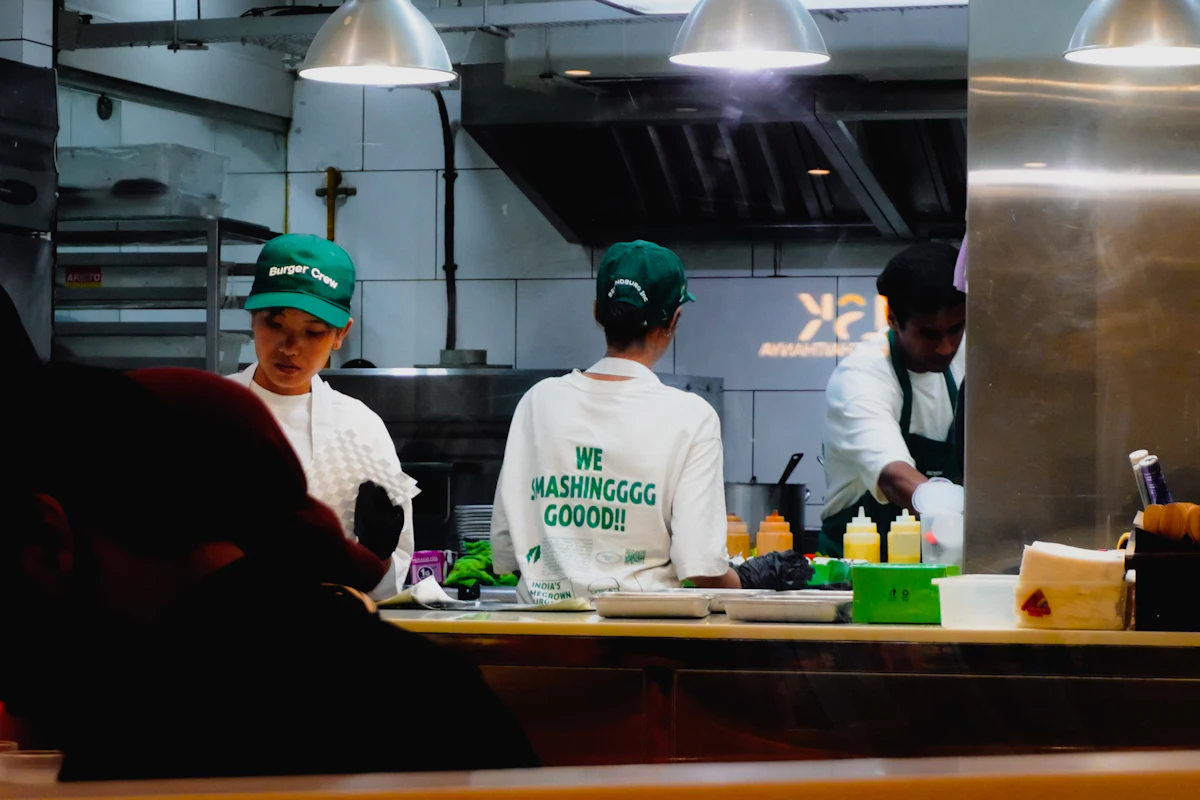 Feeding the vendors properly Forty people work your wedding for fourteen hours. Somebody has to feed them. ₹250–500 per vendor meal
 -
 A lost-and-found protocol, agreed in advance Somebody will lose jewellery. Decide now who holds it and who calls. Ask three vendors
 -
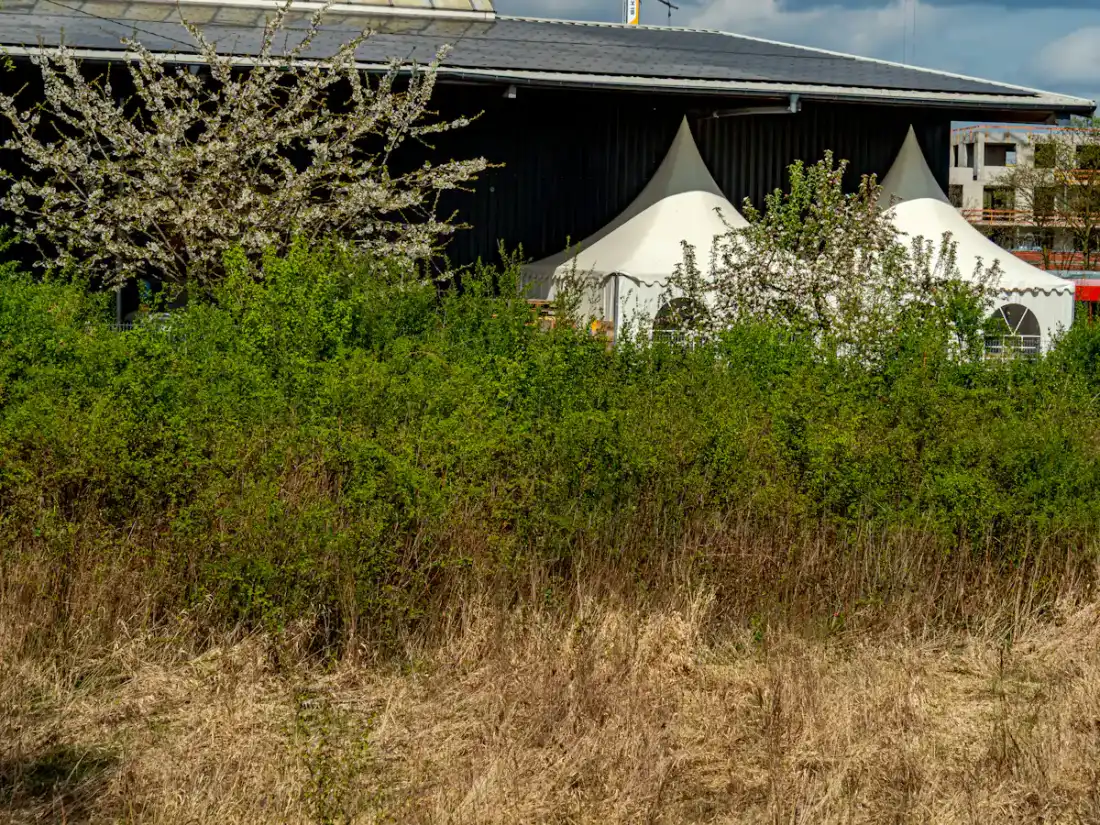 A weather fallback you have actually walked Not a clause in the contract — a room you have stood in. Ask three vendors
 -
 Working wifi and a charging bar Three hundred people posting from a venue with one bar of signal. ₹5,000–25,000
Numbers and planning
The arithmetic nobody publishes — plates per guest, callers per three hundred, how many rooms you actually need.
-
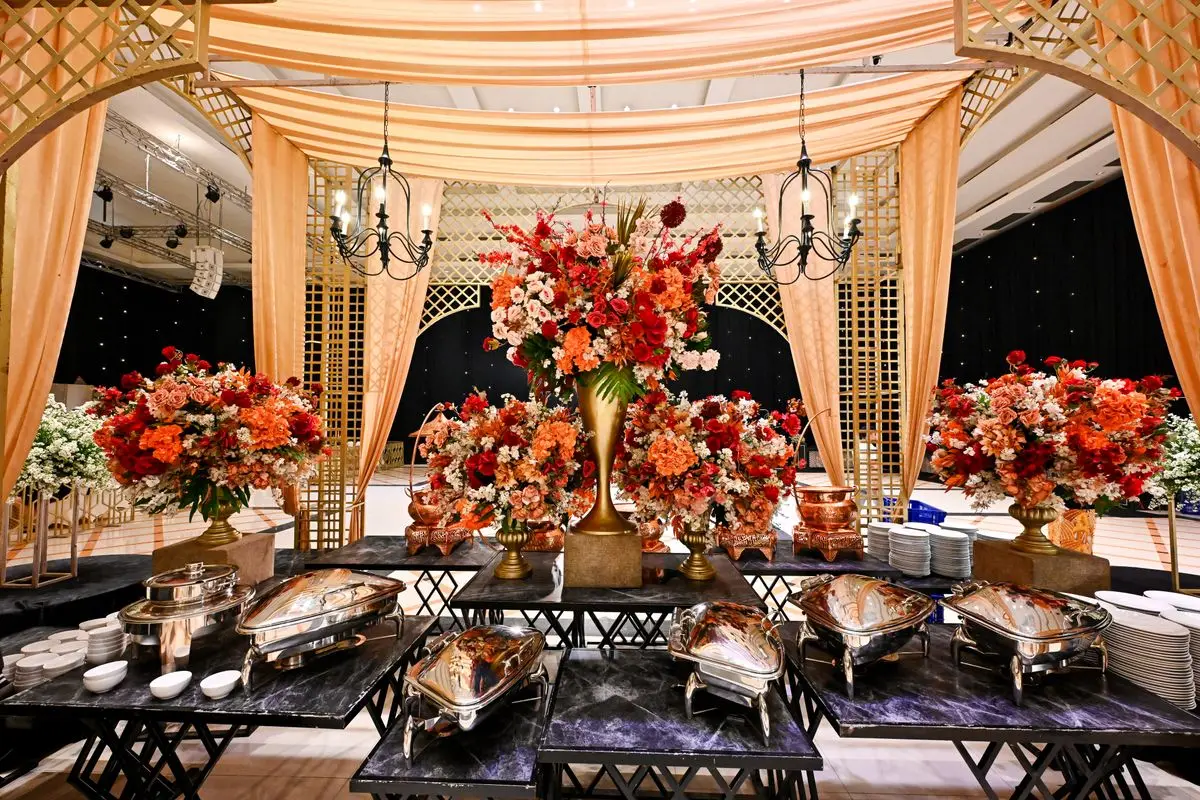 How many plates you are actually paying for The number is not the guest count, and the gap is where the money goes. Ask three vendors
 -
 How many people it takes to chase 300 guests The arithmetic behind the guest desk your planner is quoting for. ₹800–1,200 per caller per day
 -
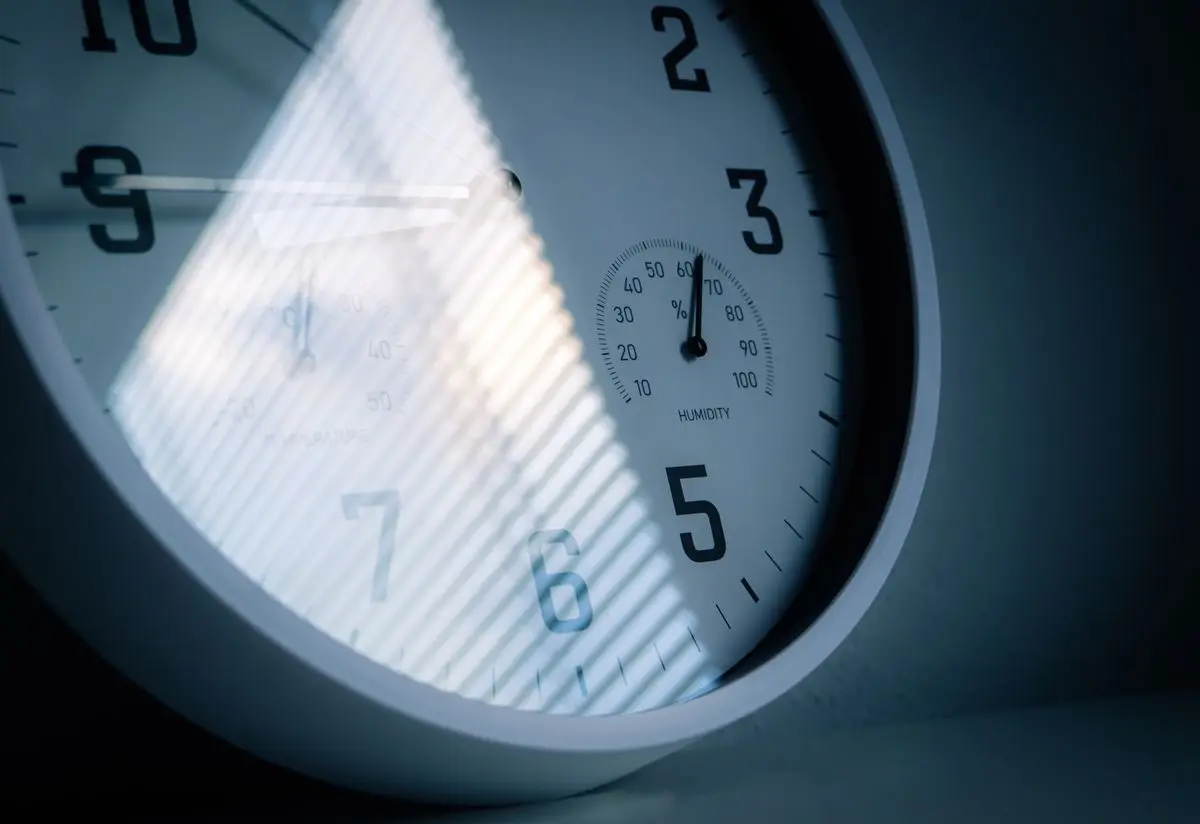 A function-by-function timeline that holds Built backwards from the fixed points, not forwards from the start. Ask three vendors
 -
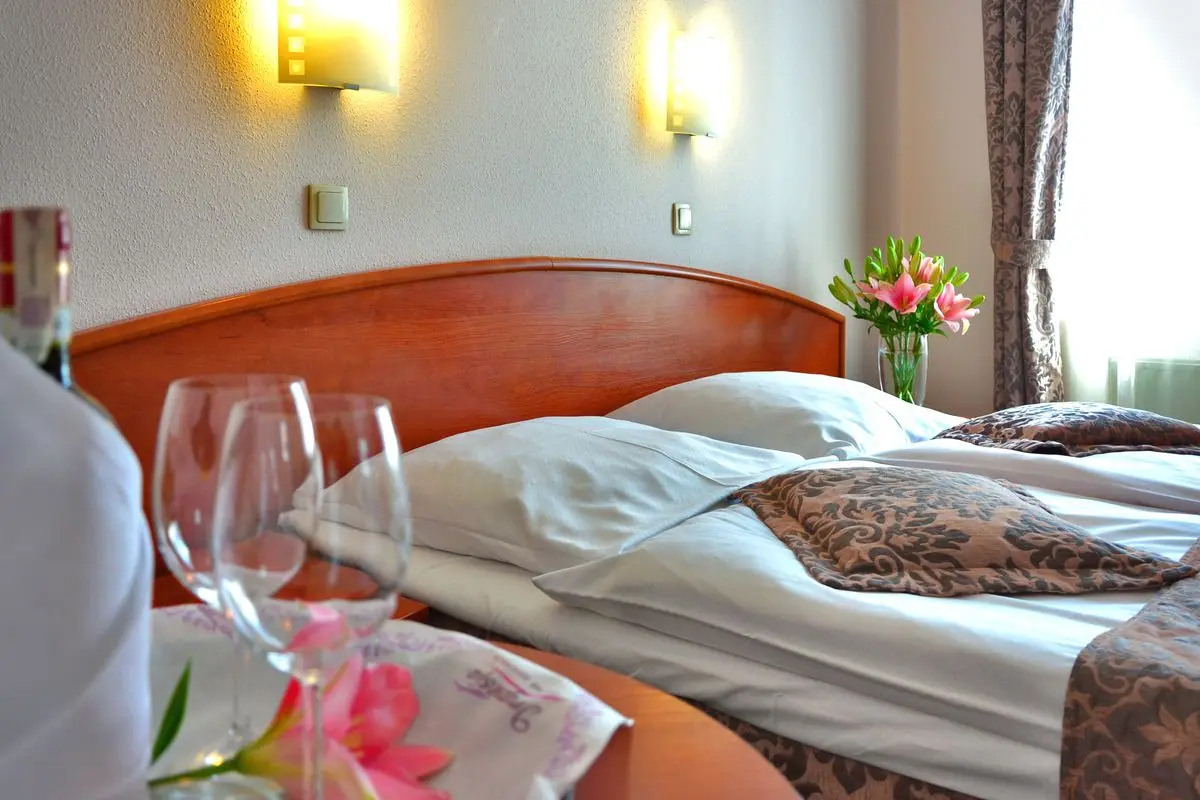 How many rooms you actually need Not the guest count divided by two. Ask three vendors
 -
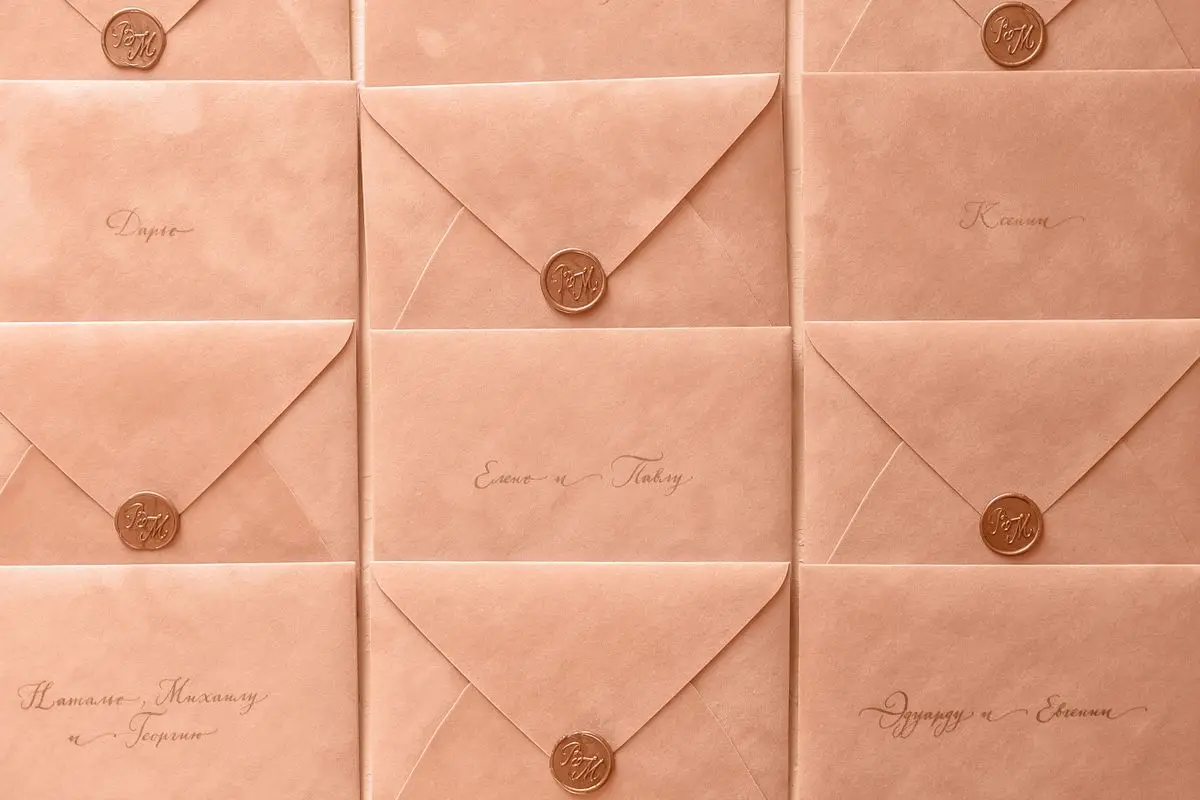 From invitations sent to people who turn up Four numbers, and most families only ever know the first one. Ask three vendors
 -
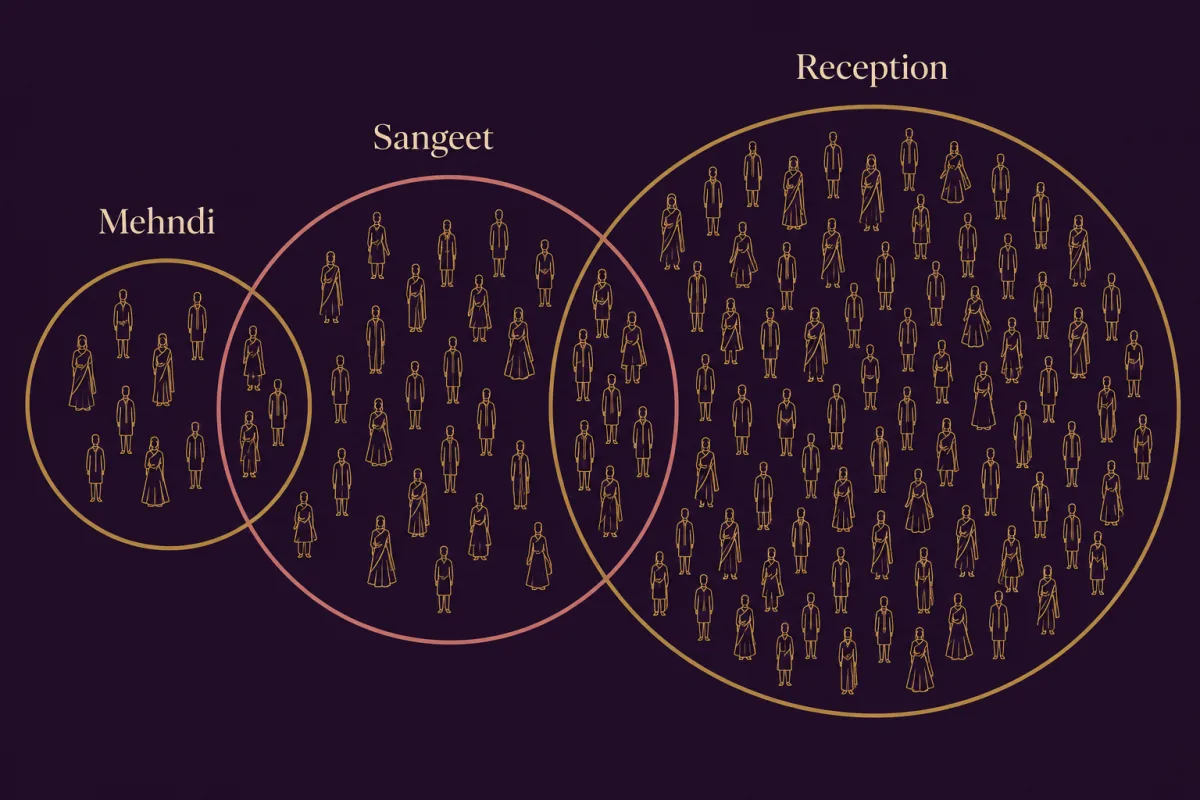 Why one guest list is the wrong shape Five functions, five lists, and they overlap without matching. Ask three vendors
 -
 Where the money actually goes Rough shares, so you can spot the quote that is out of line. Ask three vendors
 -
 A payment schedule that keeps leverage Never pay the last instalment before the thing has happened. Ask three vendors
Décor, tents and setting
Where décor money actually returns, what a mandap needs from the camera as well as the pandit, and how to pick a tent that is more than a roof.
-
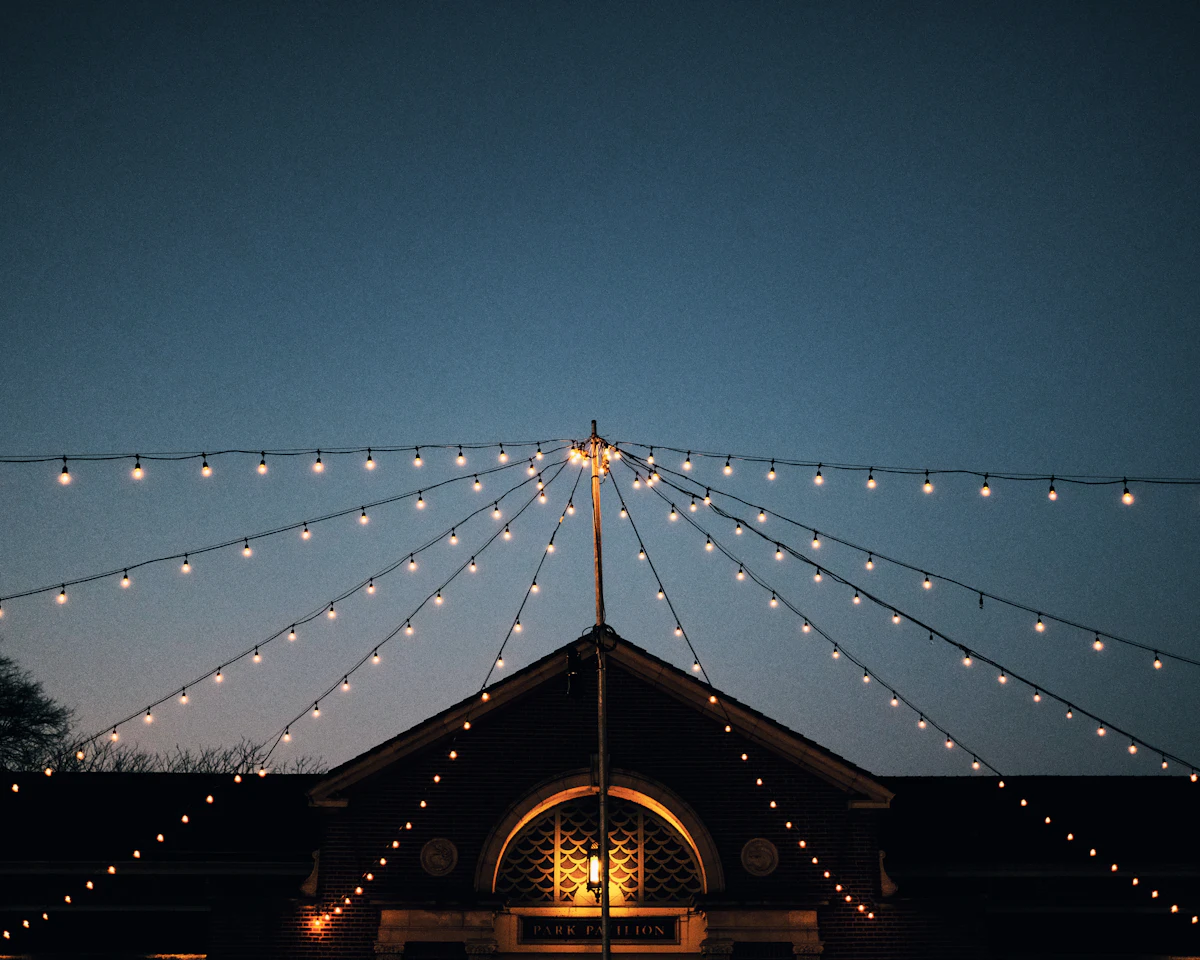 Spend on lighting before you spend on flowers The single highest-return swap in the décor budget. ₹40,000–3,00,000
 -
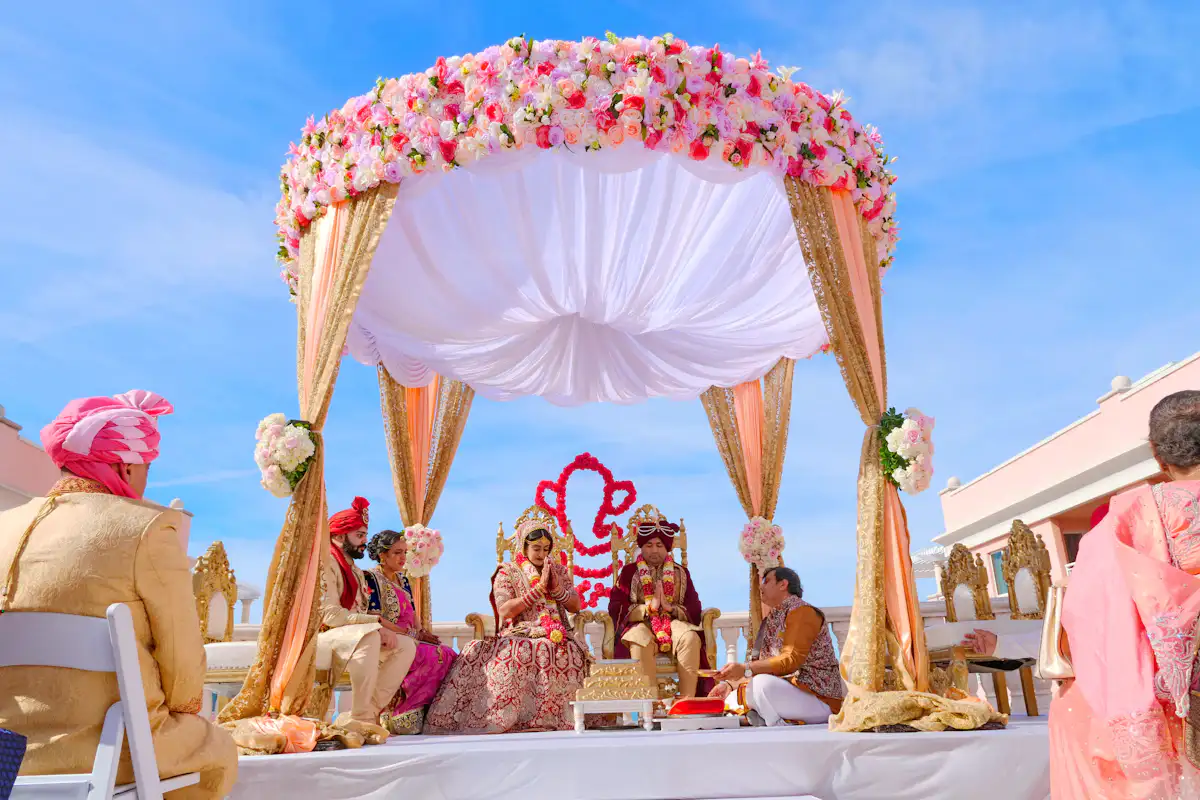 A mandap built for the camera as well as the ritual Four pillars, one open side, and nothing behind it that ruins the frame. ₹60,000–5,00,000
 -
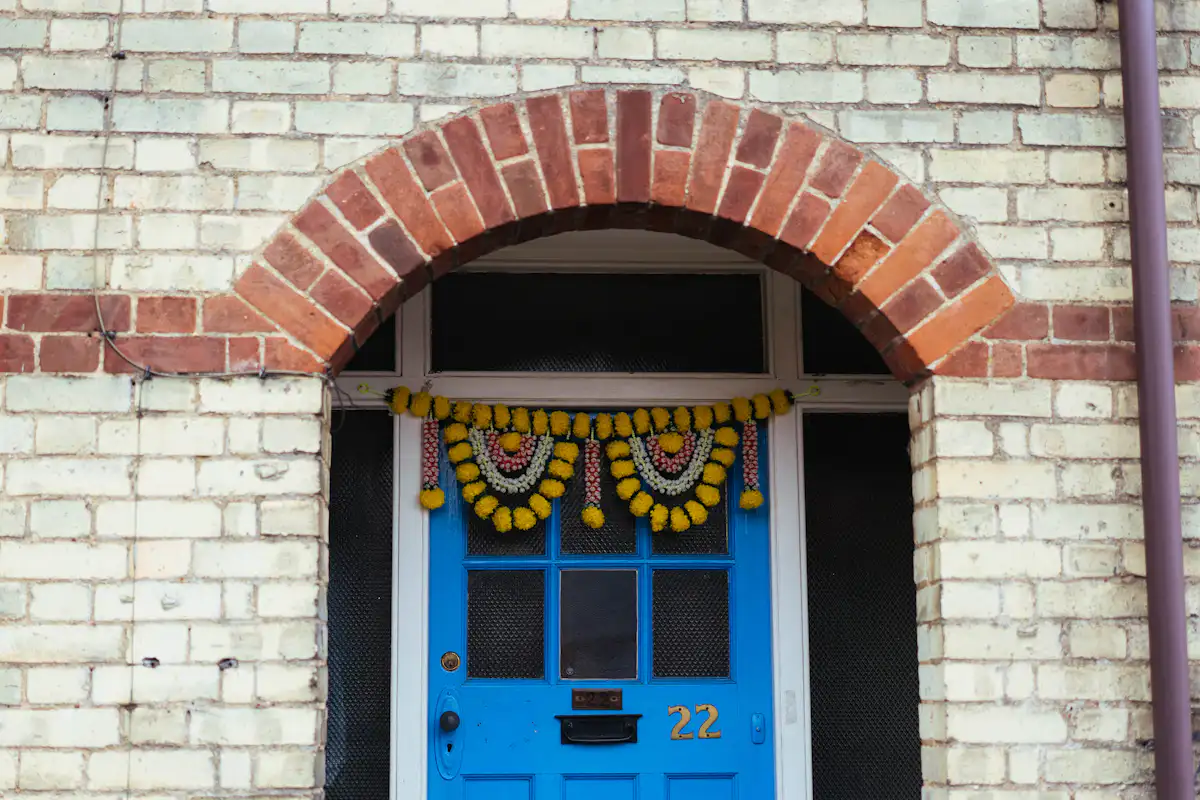 The entrance is the only first impression you get Guests decide what kind of wedding this is in the first fifteen seconds. ₹30,000–2,00,000
 -
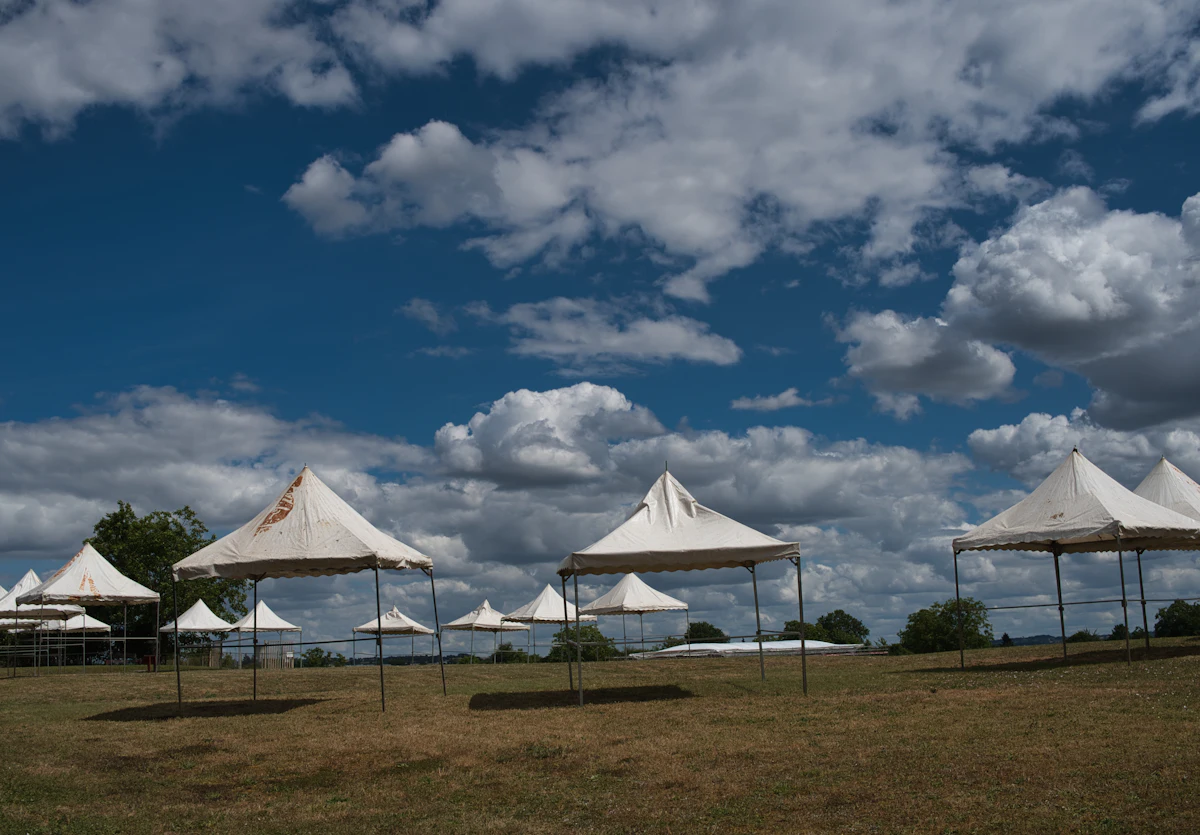 Choosing a tent that is not just a roof Clear-span, German hangar, or a traditional shamiana — and what each one cannot do. ₹80,000–8,00,000
 -
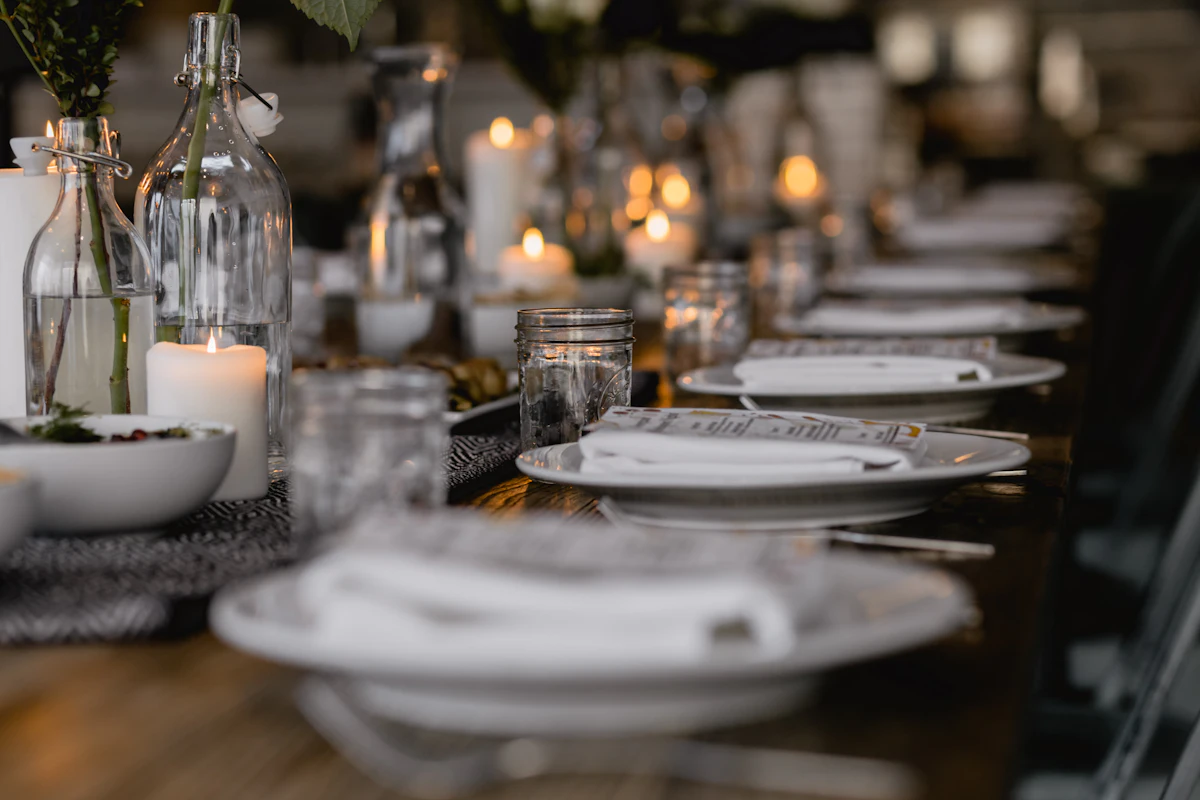 A seating plan that survives the families Who cannot sit near whom is real information, and only the family has it. Ask three vendors
Set lists, in the order that works
Every wedding blog publishes the same hundred songs. What is missing is the sequencing — why the biggest track is a peak and not an opener, and why garba has to start slow.
- The sangeet set list, in the order that works Not a playlist — an arc. Romantic opener, family classics, Punjabi peak. 8 tracks
- The garba night mix Traditional first, filmi later, and the tempo climb that keeps 300 people in the circle. 8 tracks
- The baraat street set Loud, short, and it has to survive being played on a trolley speaker. 6 tracks
- The couple’s dance, three ways Slow, mixed, or the joke one. Pick before the choreographer does. 5 tracks
- The set for the people who came at six Twenty minutes, early, before the volume climbs. 5 tracks
- The after-party set After the parents leave. Forty people, no schedule. 6 tracks
- The haldi morning set Daylight, turmeric, and nobody fully awake yet. Bright, not loud. 8 tracks
- The mehndi afternoon set Four hours of people sitting still with wet hands. The music is the entertainment. 8 tracks
- The reception dinner set Under the conversation, not over it. The dancing comes later. 7 tracks
- The vidaai set Three songs. Do not over-programme the saddest ten minutes of the wedding. 3 tracks
About the prices
Every range is indicative for a Gujarat wedding in the 2026 wedding season and is written as a range because it is not a quote. Where we could not ground a number honestly, the page says "ask three vendors" rather than inventing one. If a figure here is wrong for your city, tell us and we will correct it.
About these ideas
Are these ideas costed?
Where a number is genuinely knowable, yes — several pages carry the arithmetic rather than a range, because "it depends" is what every other wedding blog says. Where a cost varies too much by city and season to state honestly, the page says what drives the number instead of inventing one.
Do you supply any of this?
No. These are planning notes, not a catalogue — nobody here sells you a jalebi counter. The directory lists the businesses that do, and nobody paid to be on that list either.
Are the photographs of real weddings you worked on?
No, and none of them claim to be. They are licensed stock and Wikimedia Commons photographs, credited on the page, and pages where no honest photograph could be found are left without one rather than illustrated with something that looks close enough.
How should I use these with my planner?
Send the specific page, not the whole section. Each one names the mistake it exists to prevent, and that line is usually the useful part of the conversation with a vendor who has done this eighty times and has stopped explaining why.